Logo
  • About
  • Excavations

    Excavations

    • Visit Excavations
    • Rabati settlement
    • Around Rabati, the village of Zveli
    Excavations
  • Post Excavations
  • Discoveries

    Discoveries

    • Videos
  • Publication/Reports
  • Blog
  • Visit Us
  • Support
ENGE

This website was created within the framework of the Science Popularization Grant (#SPG-25-556) of LEPL Shota Rustaveli National Science Foundation of Georgia. Co-funder - Friends of Ancient Near Eastern Studies (FANES), University of Melbourne

Follow us
facebooktiktok
HomeAboutExcavationsDiscoveriesBlogVisit usSupport
Follow us
facebooktiktok
address pinRustaveli mier dapinansda

Rabati settlement

Investigating the Multi-Period Landscape of the Meskheti Highlands, Georgia

GAIA Project

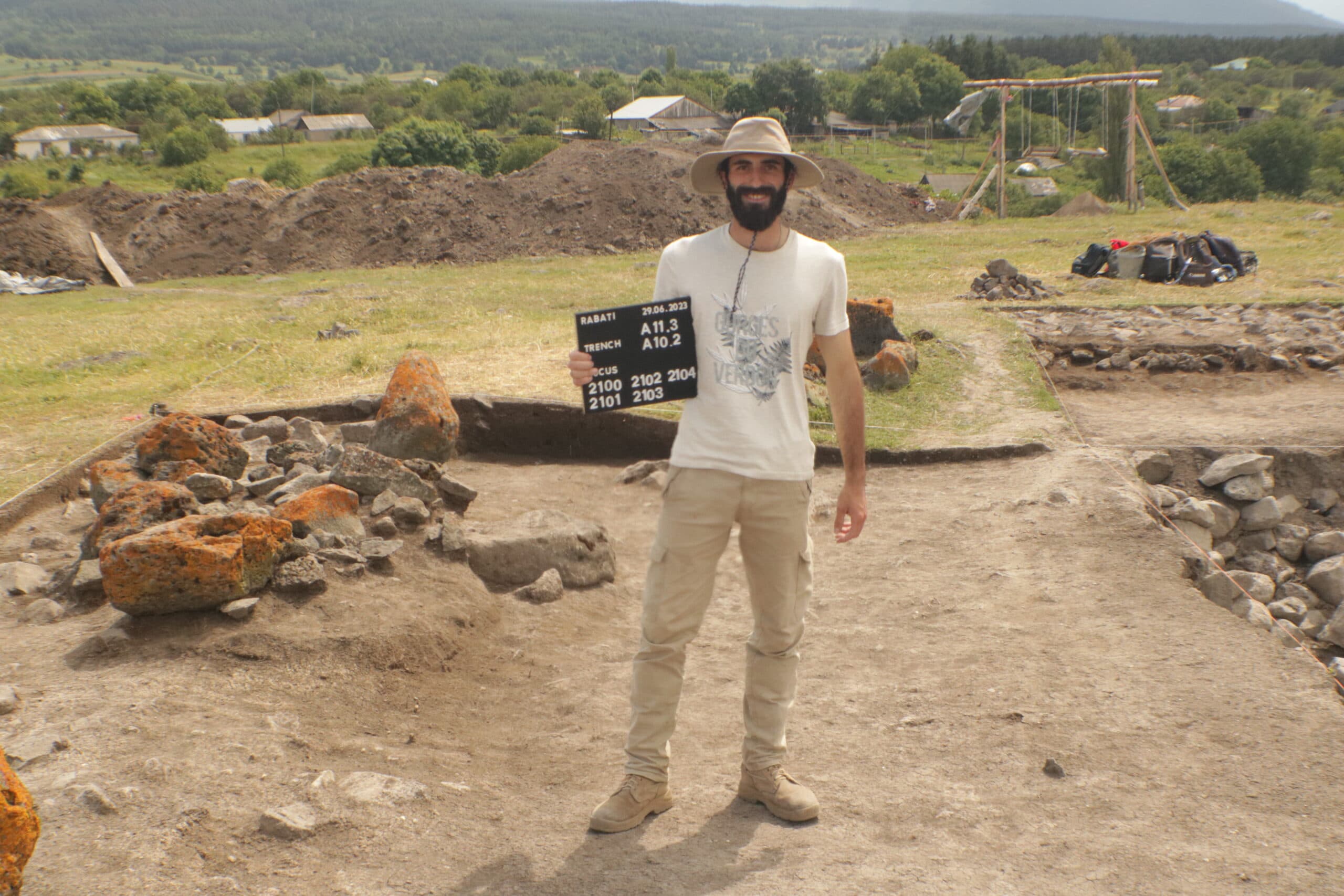
The joint archaeological expedition of the Georgian National Museum and the University of Melbourne investigates the ancient settlement of Rabati and the surrounding kurgans in the Aspindza Municipality of southern Georgia.
Visit the site

Recent Updates

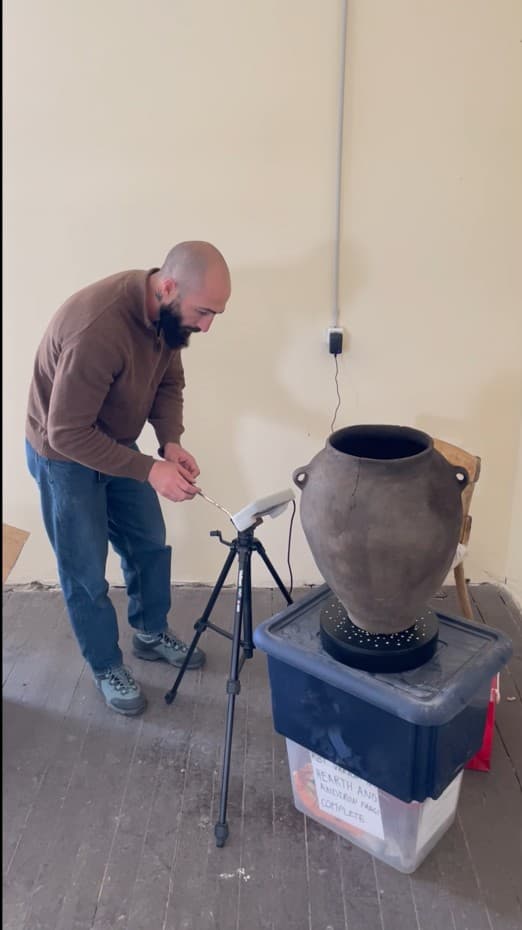
3D Scanning of Artifacts

The 3D scanning of ceramic vessels discovered at the Rabati settlement enables the creation of accurate digital models without causing any damage to the artifacts. This allows for a detailed examination of the vessels’ morphology, decoration, and manufacturing techniques. The application of this method facilitates the long-term preservation of data, its dissemination within the international […]

4/15/26

Read Post
3D Scanning of Artifacts

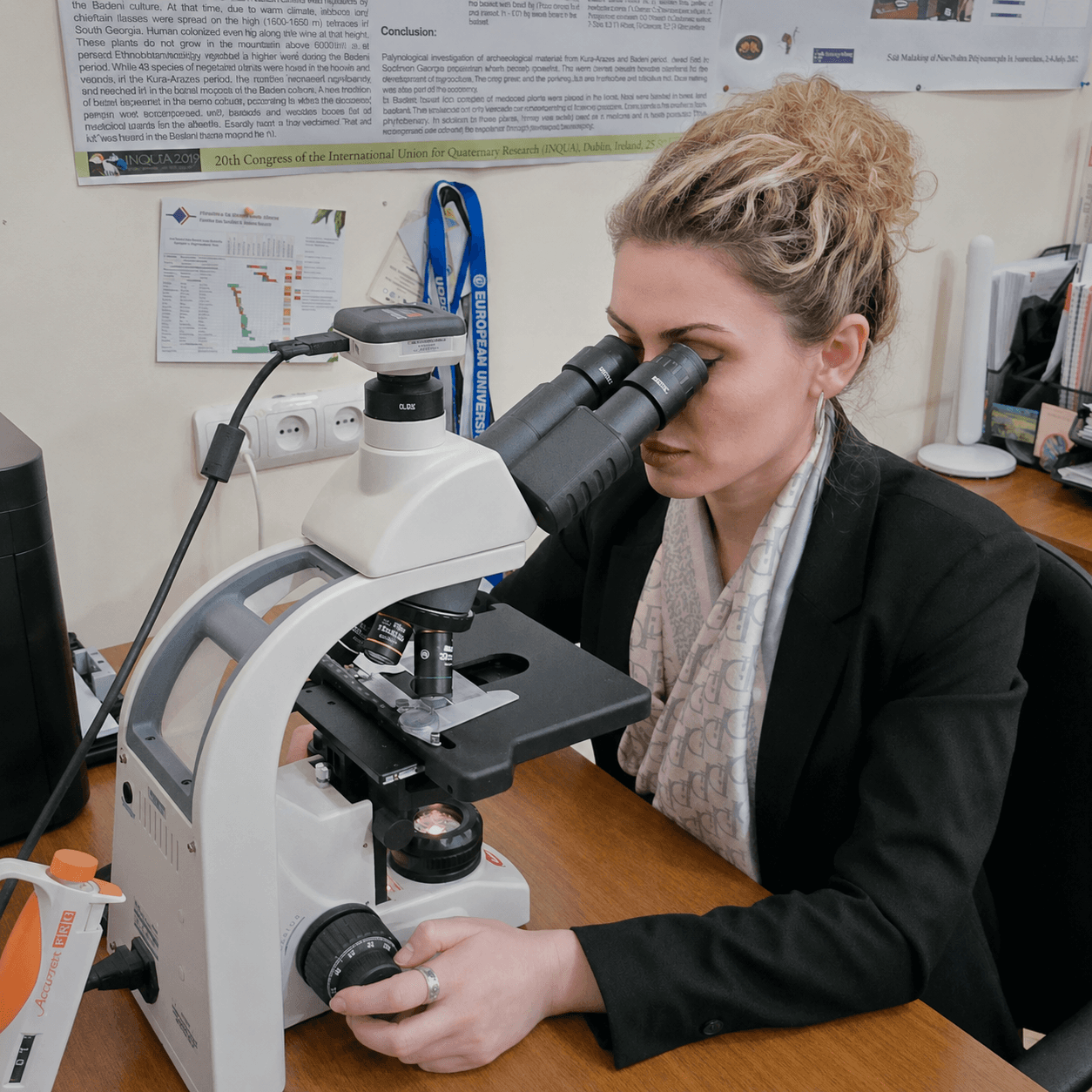
Palynological research

One of the important components of the investigation of the Rabati settlement is its palynological analysis. This research focuses on microscopic pollen grains and other organic particles preserved on artifacts recovered during excavations or embedded in building floors. The examination of these very tiny remains under a microscope helps archaeologists reconstruct past environments, vegetation, and […]

4/2/26

Read Post
Palynological  research

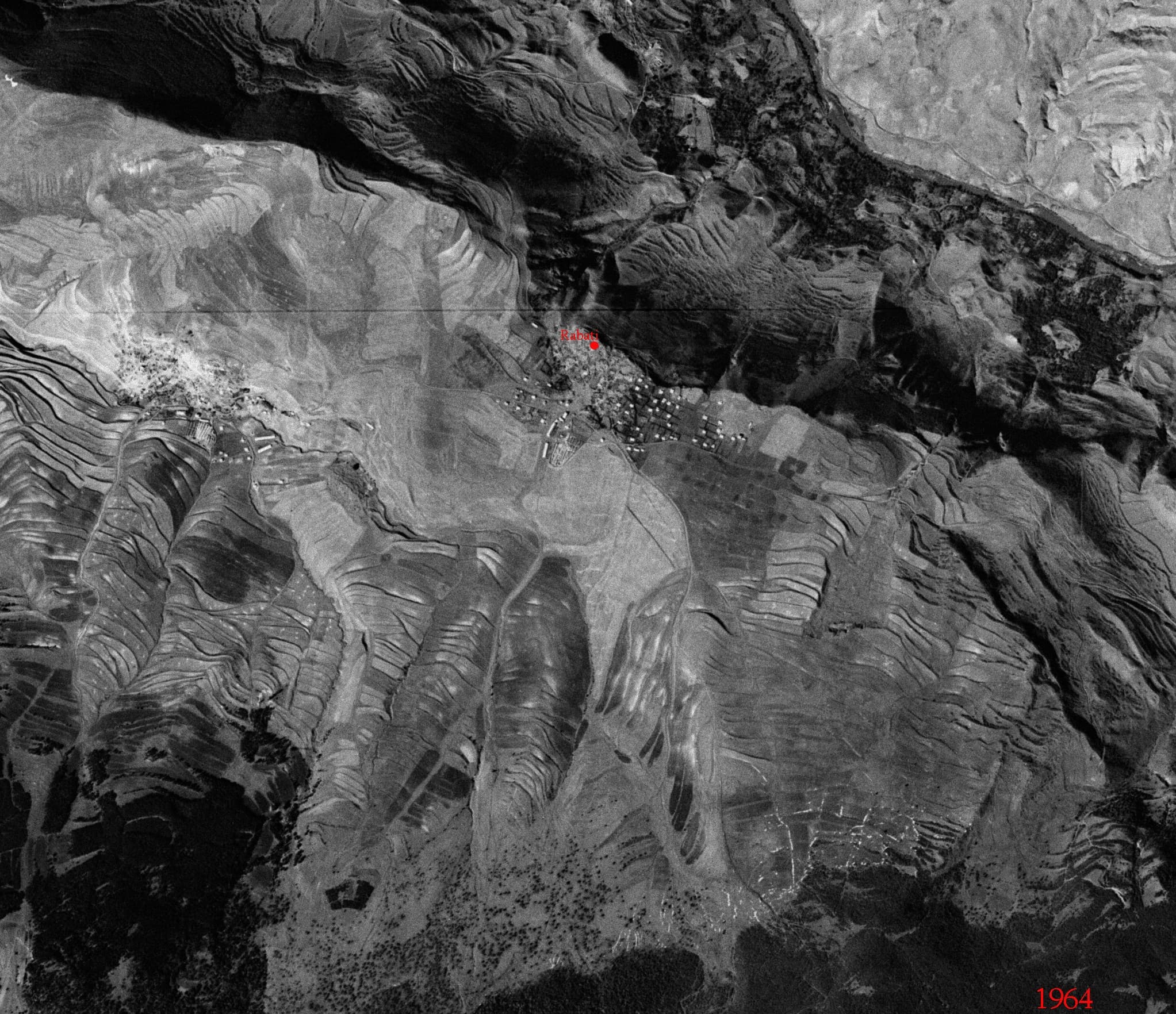
Historic Secret Military Aerial Photographs Help Identify Archaeological Features

The secret American military aerial photographs taken in 1964 as part of the CORONA program, comparable Soviet military aerial imagery from 1973, and the earliest available Google Earth data from 2003 provide a unique opportunity to determine how the archaeological landscape of the village of Zveli has changed over the past century as a result […]

3/25/26

Read Post
Historic Secret Military Aerial Photographs Help Identify Archaeological Features

The Rabati Settlement Excavations on the TV Program – “One Day in Village”

Conservation laboratory upgraded with modern analytical equipment and treatment facilities.

3/26/26

Read Post
The Rabati Settlement Excavations on the TV Program  – “One Day in Village”

The 2026 Rabati Excavation Season Has Officially Announced !

The 2026 Archaeological Excavations at the Rabati Settlement Will Begin on June 15.

4/25/26

Read Post
The 2026 Rabati Excavation Season Has Officially Announced !

Excavations

Rabati settlement
VISIT RABATI SETTLEMENT

Rabati settlement

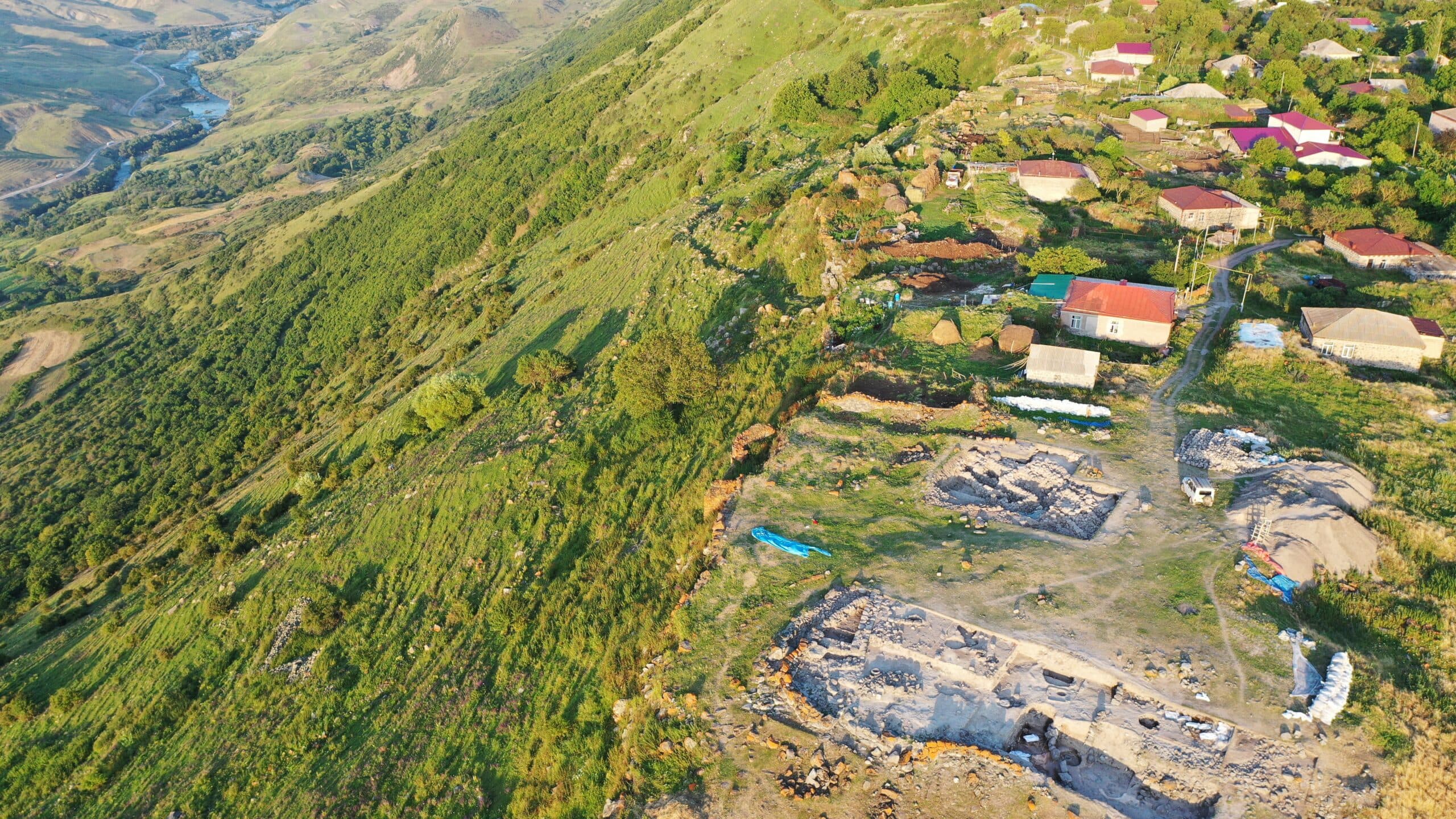
The Rabati settlement is one of the most important archaeological sites in Georgia and the wider region. It contains a diverse range of architectural remains and cultural layers dating from the Bronze Age to the Late Middle Ages. The settlement is located in Meskheti, on the southern slopes of the Erusheti Range (at an elevation […]
Around Rabati, the village of Zveli
VISIT AROUND RABATI, THE VILLAGE OF ZVELI

Around Rabati, the village of Zveli

Near the Rabati settlement, in the village of Zveli, numerous archaeological sites are spread across the area. Among them, the Middle Bronze Age kurgans (burial mounds) are particularly noteworthy. They stand out from other kurgans of the same period in Georgia because of their distinctive architecture and the funerary inventory discovered within them.

Our Team

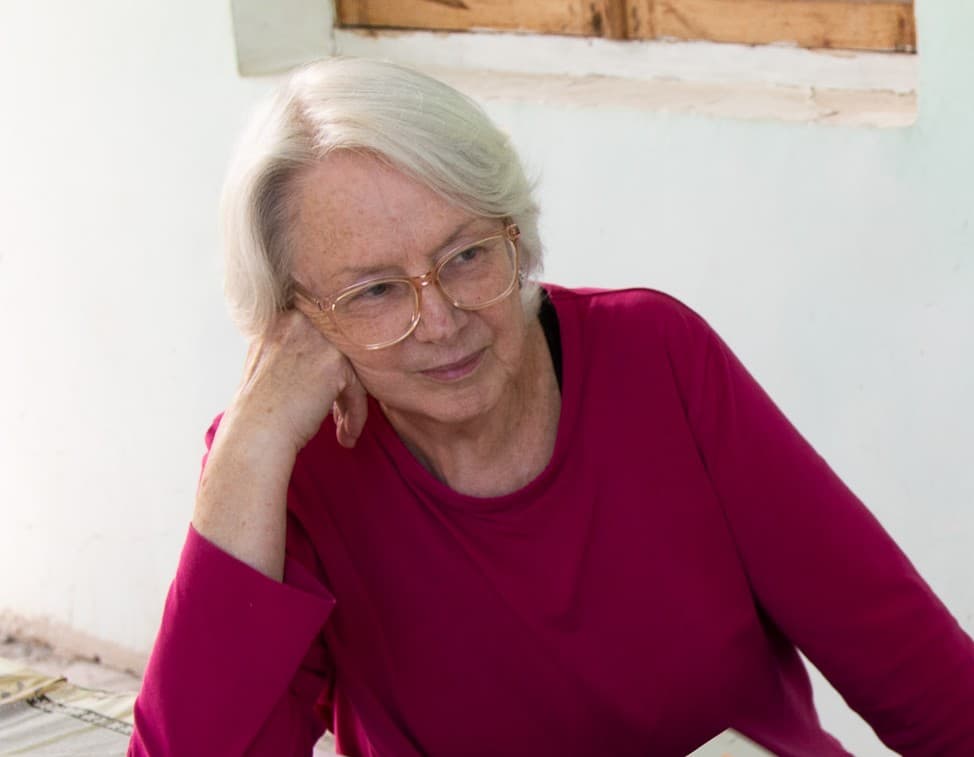
Catherine Longford

Catherine Longford

I am currently a British Academy Postdoctoral Fellow researching cultural connections through the archaeobotanical record focusing on the Bell Beaker period. I obtained a BA/BSc with majors in Archaeology, Geology and an Honours degree in Botany from the University of Melbourne (2005).  I joined the University of Sheffield for an MSc in Environmental Archaeology and Palaeoeconomy (2007), and my PhD (2015), also at the University of Sheffield, focused on the plant economy of the Kura-Araxes within the context of Bronze Age Near Eastern archaeobotany. Within the Archaeology Department I have been a Marie Curie Research Fellow in Archaeobotany researching roots and tubers as part of the ‘Integrated Archaeobotanical Research’ project (G. Jones 2007-09), as a Research Officer in Archaeobotany (2009-10) and as Post-Doctoral Research Associate working with Professor Glynis Jones as part of the University of Manchester ERC funded ADAPT project led by Professor Terry Brown. I have taught Archaeobotany at both the University of Sheffield and the University of Nottingham I have also worked as a plant macroremains and charcoal specialist for the Sheffield Archaeobotanical Consultancy and in commercial archaeology as a post-excavation supervisor for Headland Archaeology in their Midland and West office. I have been involved as an archaeobotanist in field projects in Turkey, Georgia, Israel, Bulgaria and the UK at sites dating from the Neolithic to Medieval period.

Andrew Jamieson

Andrew Jamieson

Andrew Jamieson is Associate Professor in Near Eastern Archaeology in the School of Historical and Philosophical Studies at the University of Melbourne. For more than three decades, he has participated in archaeological fieldwork, in Egypt, Georgia, Lebanon, Syria, and Australia. He has been especially active in preservation and salvage projects. In 2017, Andrew became the director of the Georgian-Australian Investigations in Archaeology (GAIA) project. He is also an award-winning teacher, whose work in the sphere of object-based learning has been highly influential, both in Australia and internationally. He is very active in the field of community engagement, promoting the ancient world within the wider community and fostering interest in university activities. He is an elected Fellow of the Society of Antiquaries of London, and in 2023 was the recipient of the Faculty of Arts Alumni Award for his contribution to the faculty and university.

Claudia Sagona

Claudia Sagona

Dr Claudia Sagona, MOM, FAHA, is an Honorary Principal Fellow in Archaeology in the School of Historical and Philosophical Studies. Her archaeological fieldwork and research have taken her from the highlands of north-eastern Turkey and the Caucasus to the Maltese Archipelago and she has published widely concerning these regions. In Turkey, Claudia co-directed with Antonio Sagona, the North-East Anatolia Archaeological Project. She is currently co-directing the Georgian and Australian Investigations in Archaeology (G.A.I.A) now focused on the site of Rabati. In Malta, she was a member of the excavations of the Phoenician Punic temple site at Tas-Silg, conducted by the University of Malta, and has carried out substantial research on the extensive Phoenician-Punic burial sites in the islands. Her interest in Malta's rich archaeological record has culminated in a comprehensive book, The Archaeology of Malta: From the Neolithic through the Roman Period (Cambridge University Press). In recognition of her contribution to Malta, she was made an honorary member of the National Order of Merit of Malta in 2007. https://orcid.org/0000-0001-7794-3865 https://findanexpert.unimelb.edu.au/profile/14856-claudia-sagona

Giorgi Gogoladze

Giorgi Gogoladze

Medieval archaeologist, specialist in digital technologies

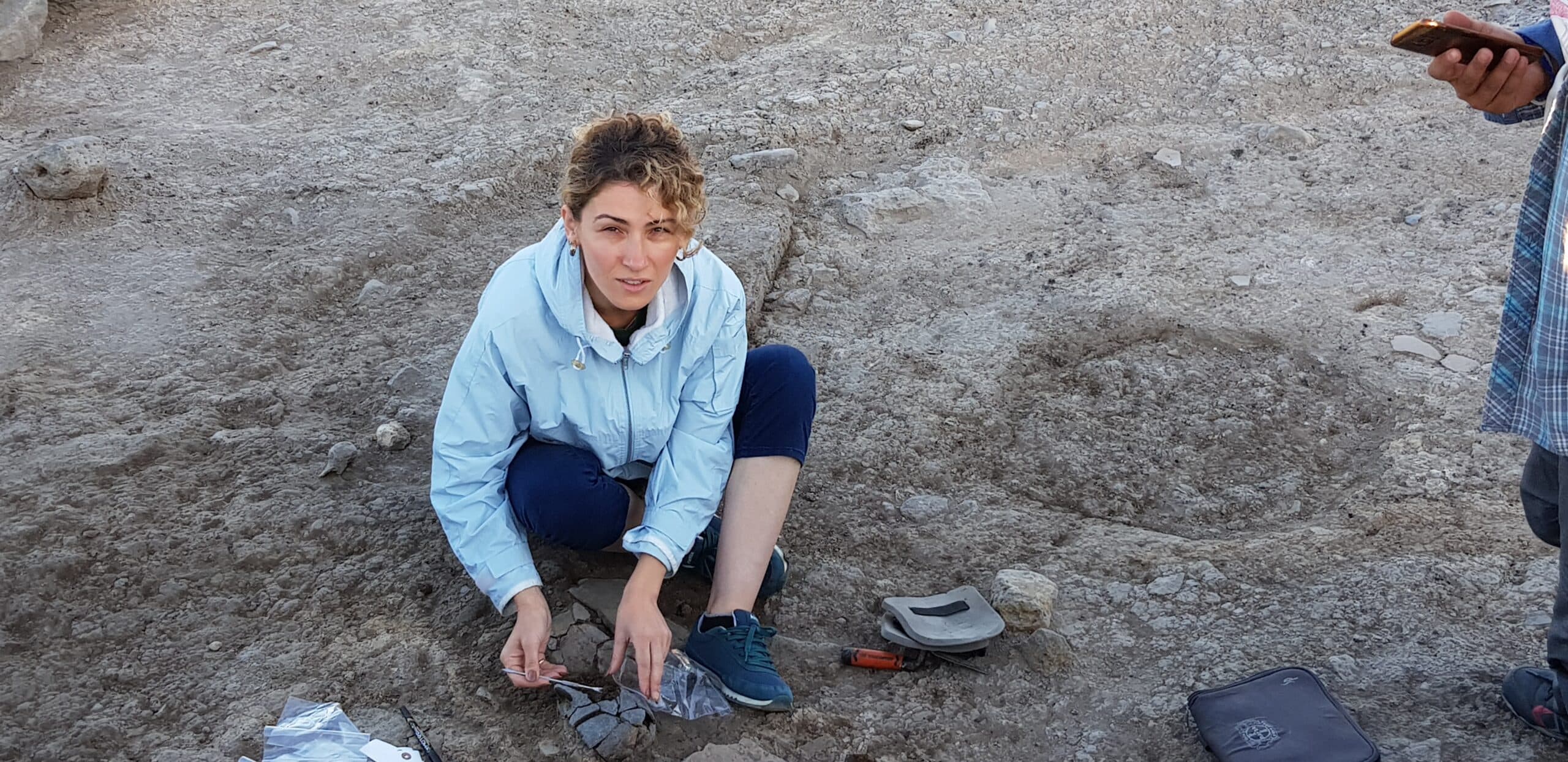
Inga Martkoplishvili

Inga Martkoplishvili

Palynologist

Aleko Zavradashvili

Aleko Zavradashvili

Lithic specialist

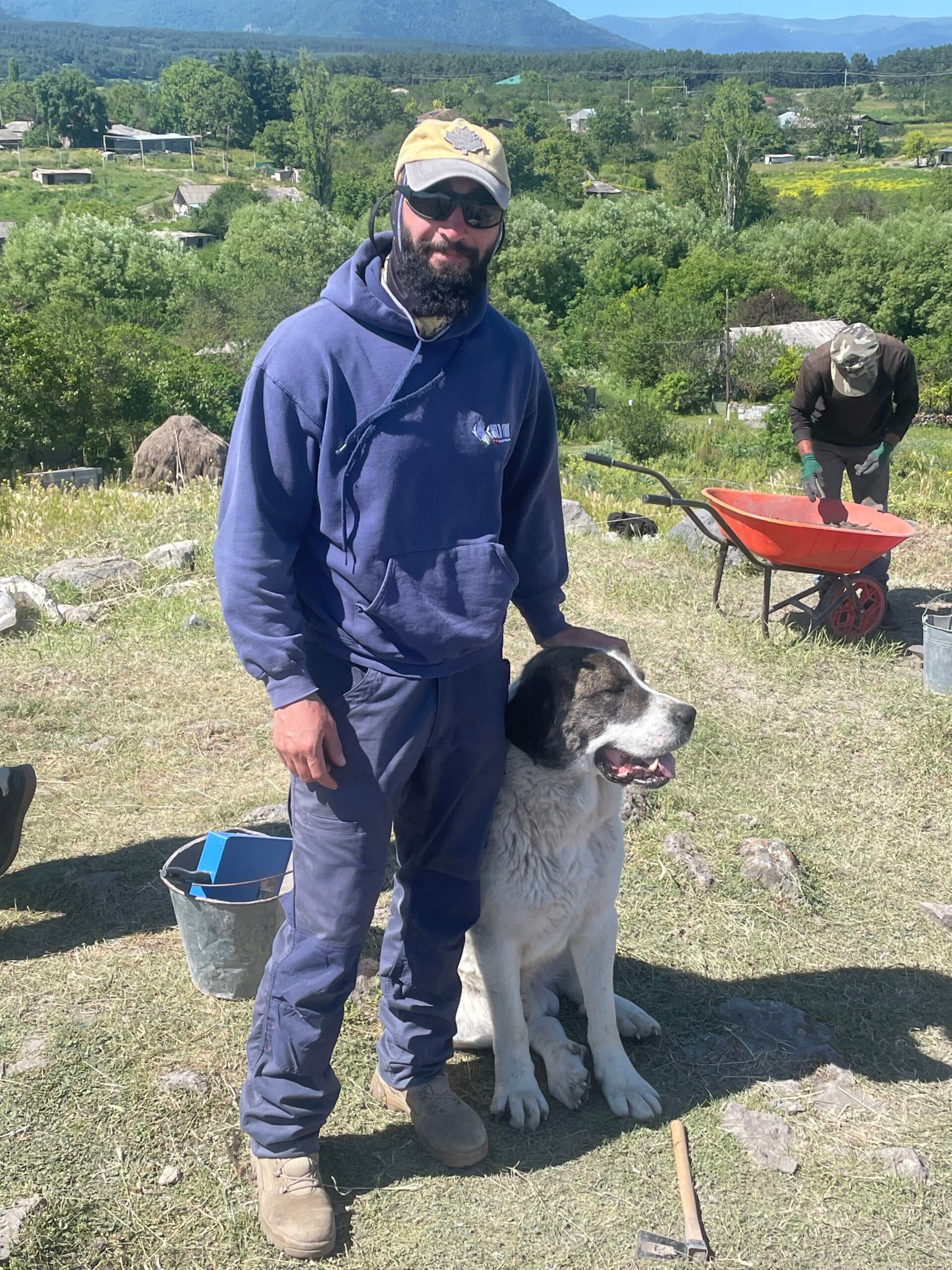
Giorgi Bedianshvili

Giorgi Bedianshvili

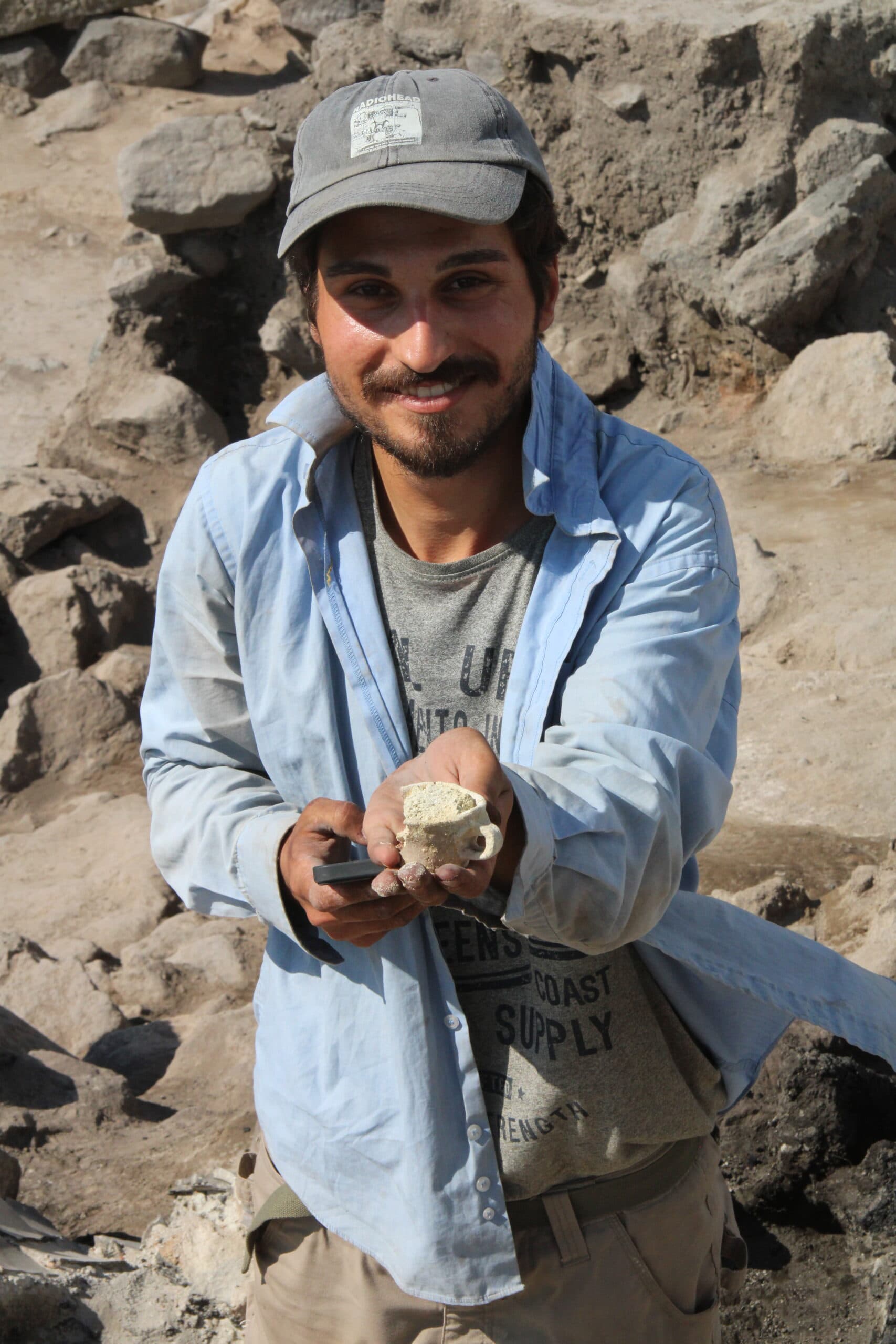
Tornike Rostiashvili

Tornike Rostiashvili

Specialist in Digital Archaeology

The British Institute at Ankara
The University of Shelield
შ. რუსთაველის ეროვნული სამეცნიერო ფონდი
Aspindza Municipaly
GAIA
The University of Melbourne
Georgian National Museum

Daily Life on the Dig

Archaeological house

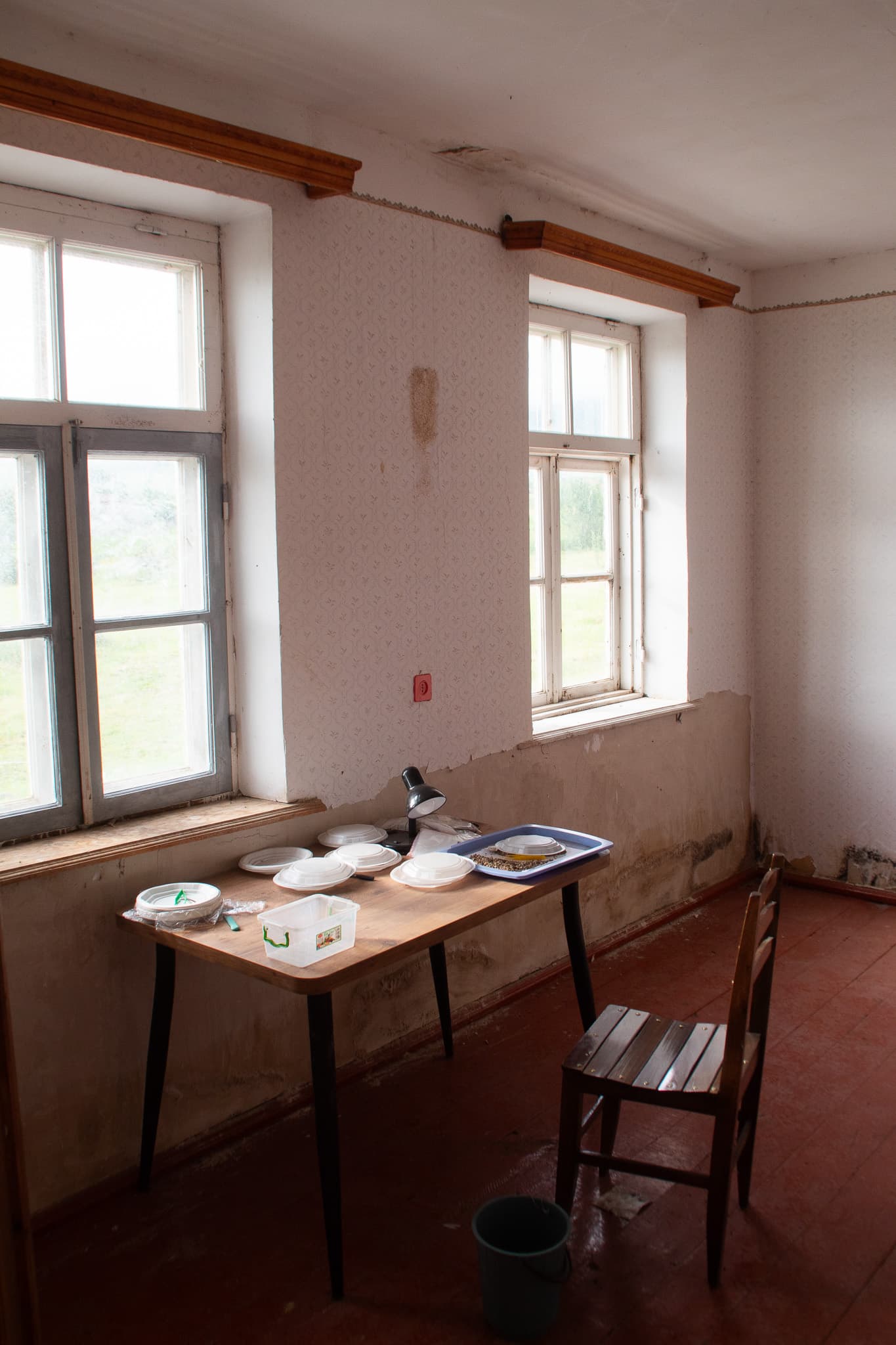
The GAIA project has acquired a house in the village of Zveli, which is currently undergoing refurbishment. The ultimate goal is to establish an archaeological field base, fully equipped with all necessary components for fieldwork. In addition, it will annually host numerous expedition members, including researchers, students, and visitors, thereby supporting both field research activities and academic exchange.

Dig house

Discoveries from Rabati settlement and its vicinity

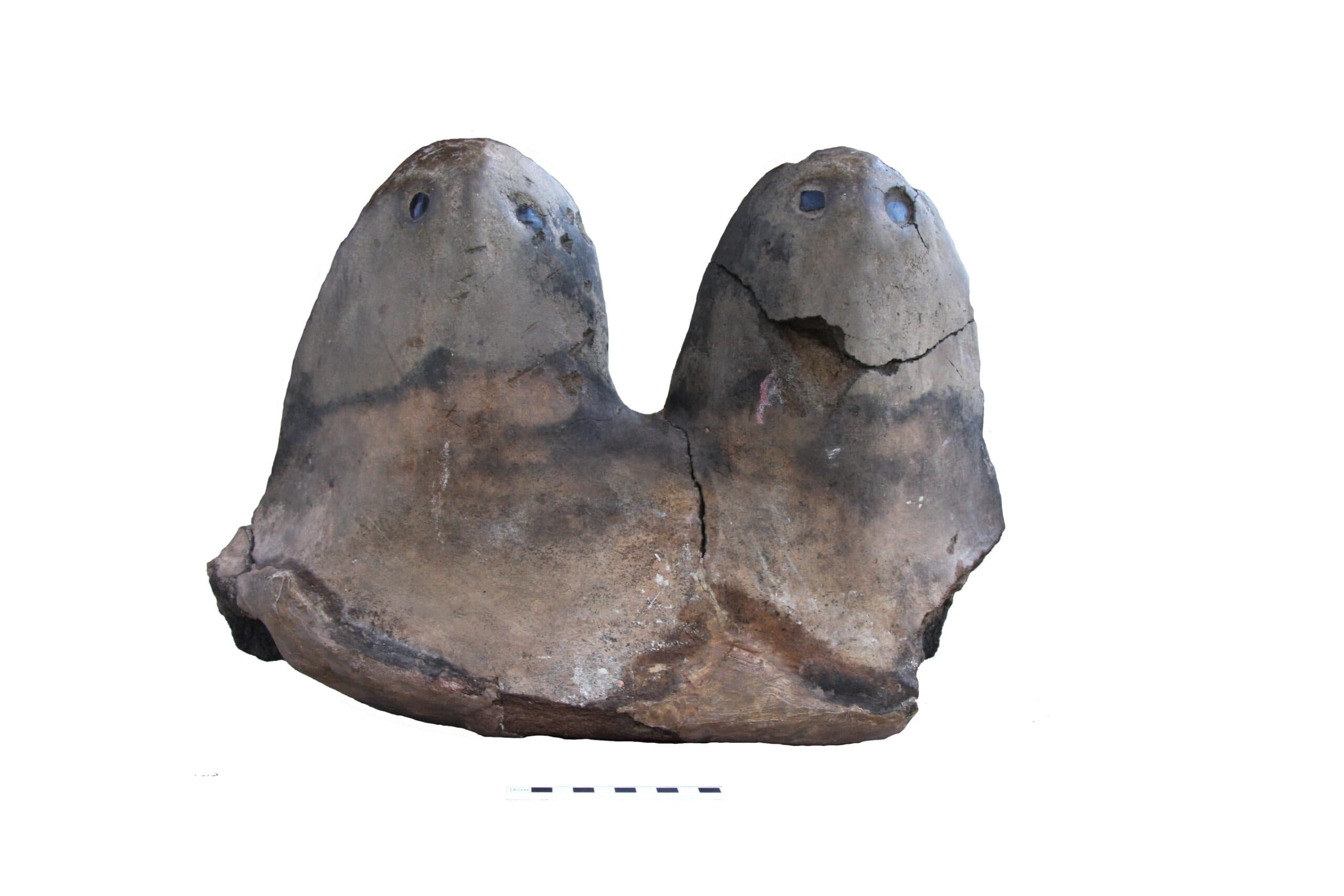
The artifacts discovered at the Rabati settlement and in the nearby burials are diverse. The various occupational layers of the settlement have yielded primarily pottery, andirons, as well as bone tools manly associated with textile production. Pottery is also the most common find in the burials, although a variety of objects of personal adornment have also been recovered.

Discoveries
თიხის ობსიდიანისთვალებიანი ორთავიანი ფიგურა
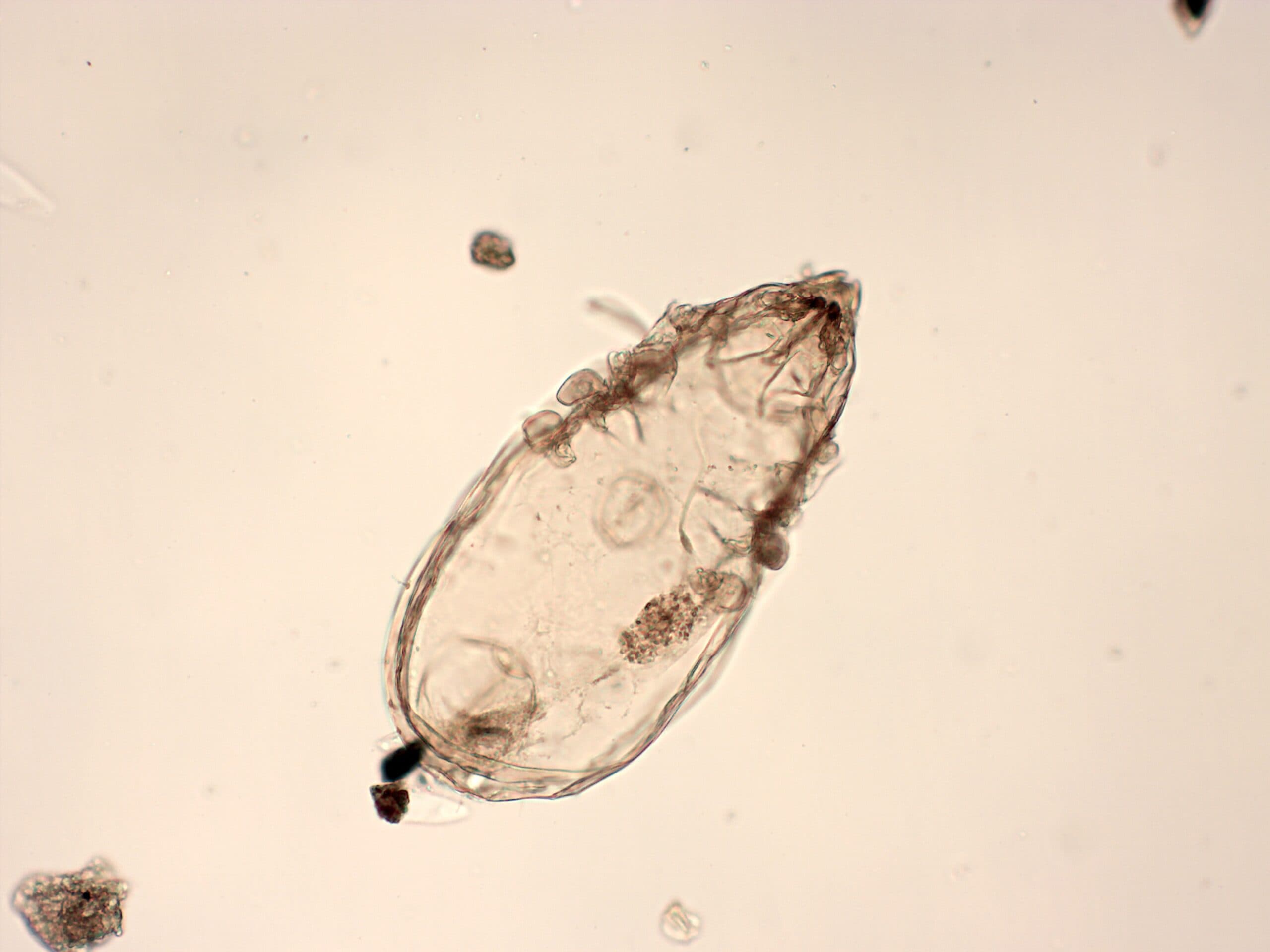
40,000 წლის წინანდელი პარაზიტი
ვერძის გამოსახულება თიხის ჭურჭელზე

Our Supporters

Wallace Cameron

Wallace Cameron

For his significant donation to secure a base for our operations at Rabati/Zveli

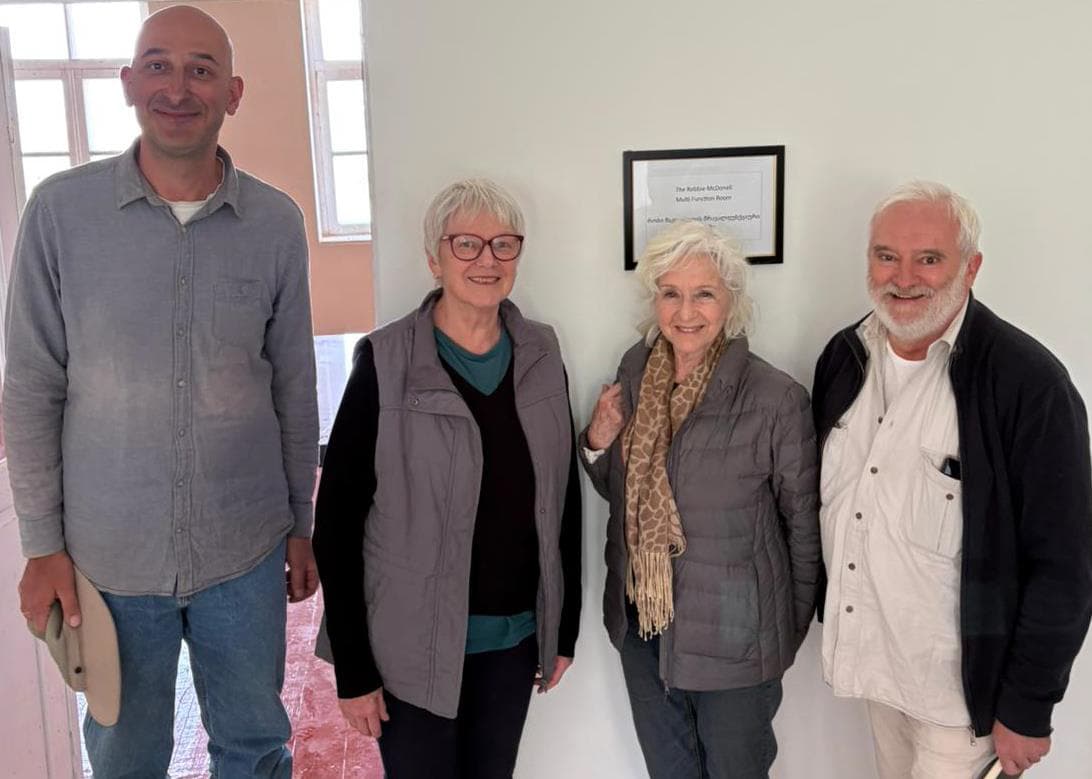
Robbin Mcdonell

Robbin Mcdonell

For her significant donation to undertake restoration work at Cameron House.

Everyone can become our supporter

View Options