About us
The GAIA Project — Georgian-Australian Research in Archaeology is a joint research initiative of the Georgian National Museum and the University of Melbourne, established in 2008 at the initiative of the renowned Australian archaeologist Antonio Sagona.


Our Mission
Since 2008, the Georgian-Australian joint expedition has investigated several important archaeological sites in Georgia, including the Samtavro cemetery in Mtskheta, dating to the Classical period, and the Early Bronze Age settlement of Chobareti in Aspindza Municipality.
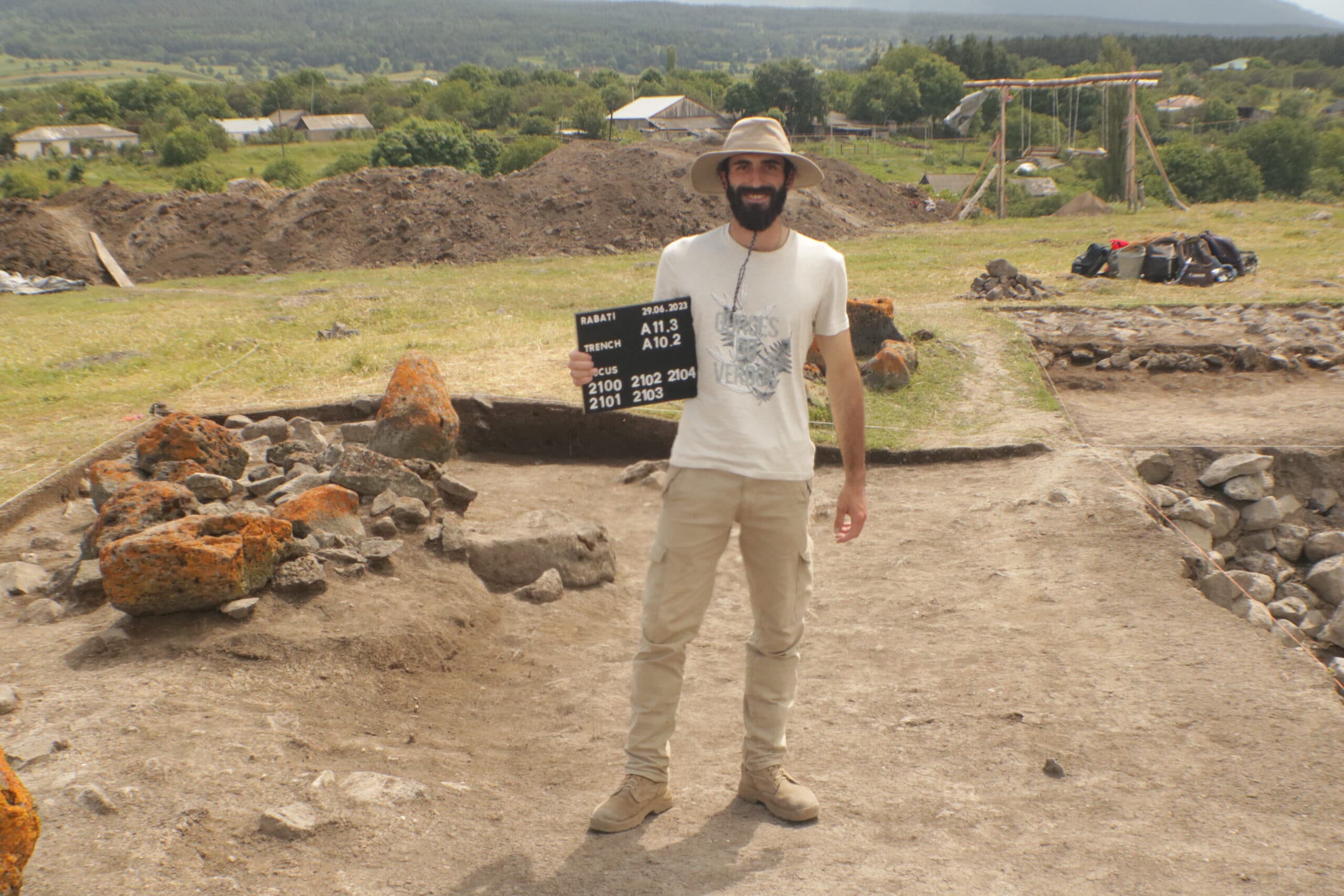
Since 2016, GAIA has conducted archaeological research at the Rabati settlement. The project follows a multidisciplinary approach, bringing together Georgian and Australian researchers and students, as well as specialists from the United Kingdom, France, and Italy representing a range of academic disciplines.
The mission of the GAIA Project is to explore Georgia’s ancient past using modern research methodologies and to promote its archaeological heritage within the international scholarly community and among the wider public.






Daily life on the dig
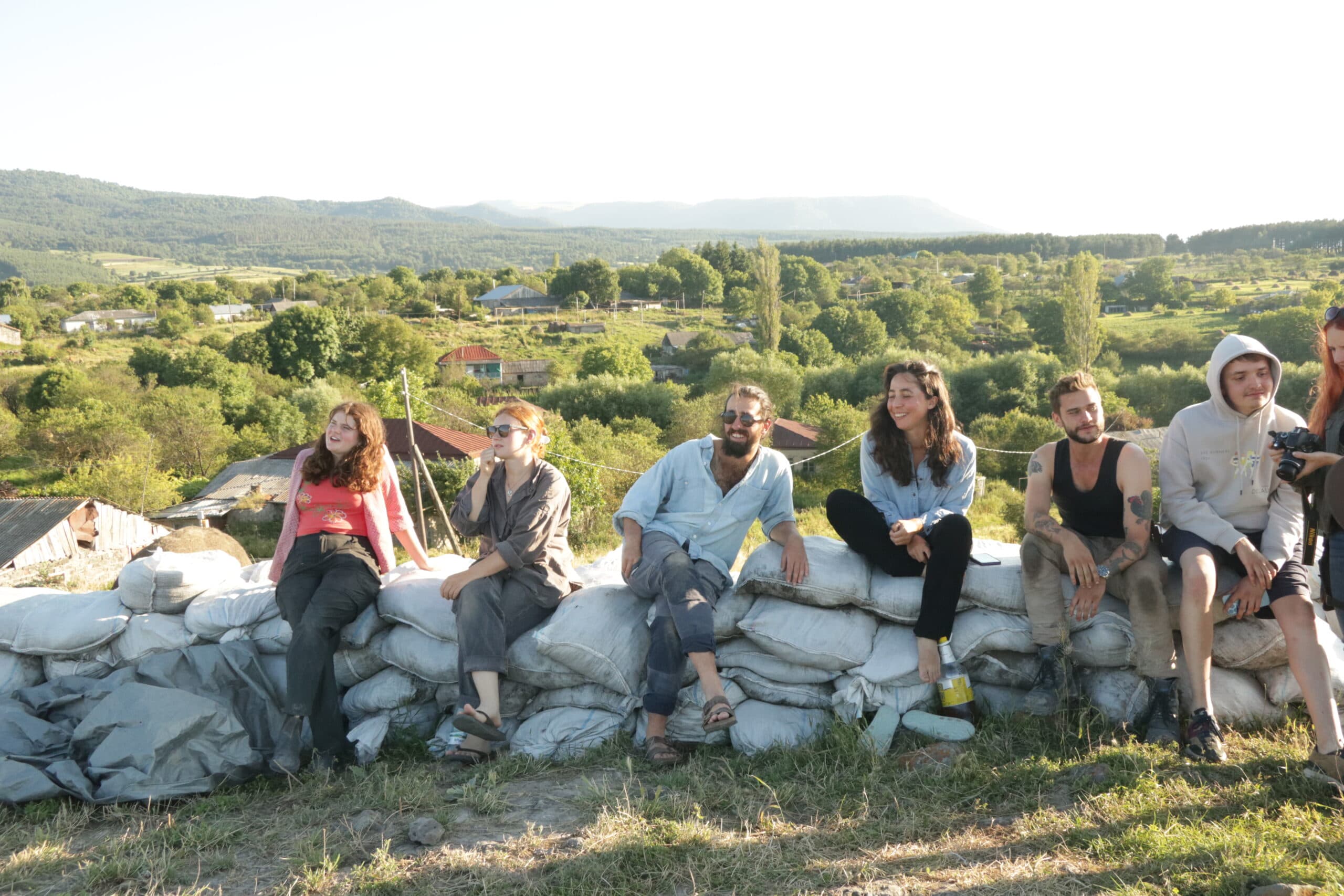
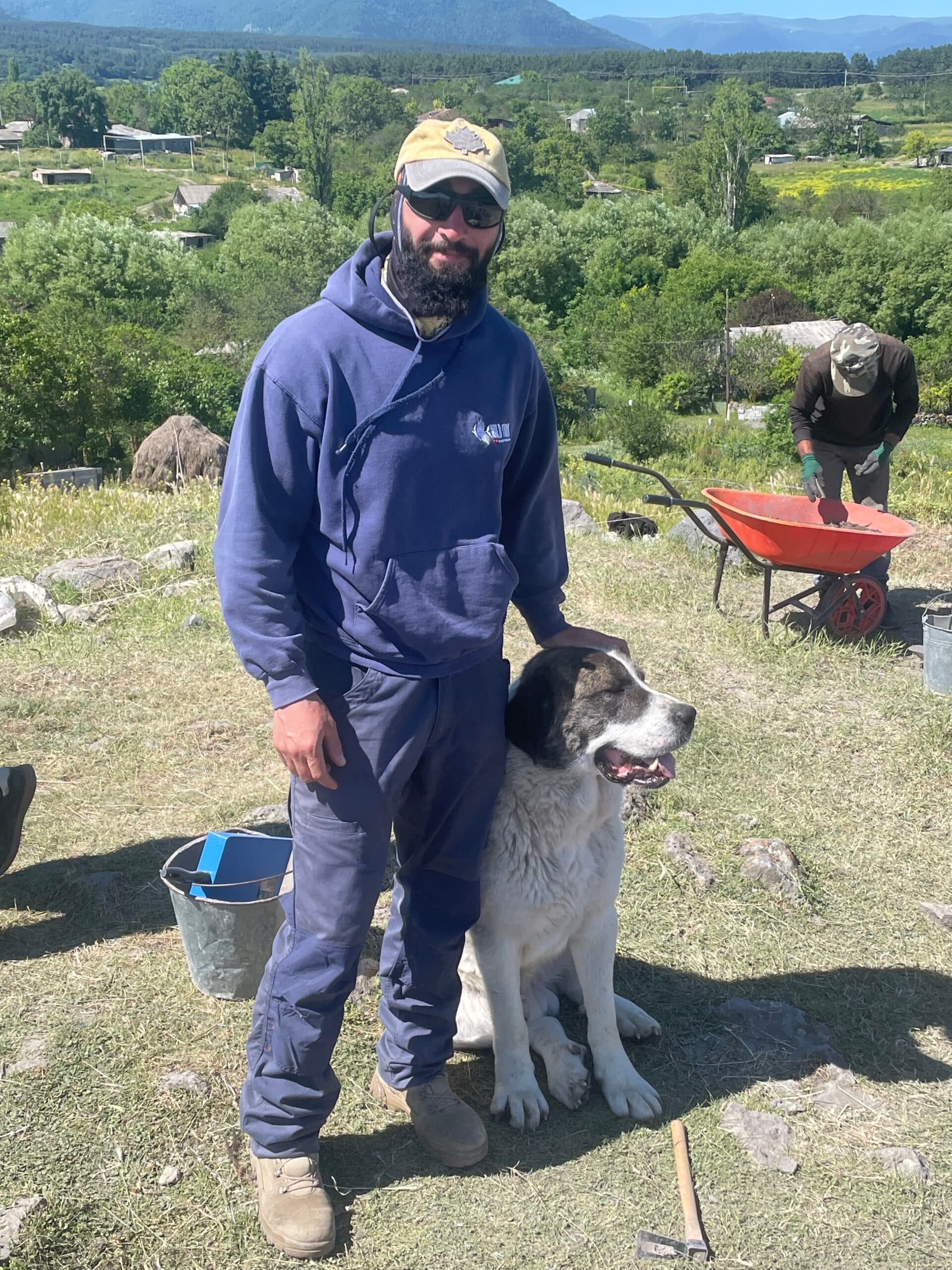
The Rabati Archaeological Expedition brings together dozens of specialists, students, and visitors from different countries each year, providing an important platform for sharing professional knowledge and experience. This is particularly valuable for students, who gain hands-on exposure to new approaches in archaeological research while building international professional networks.

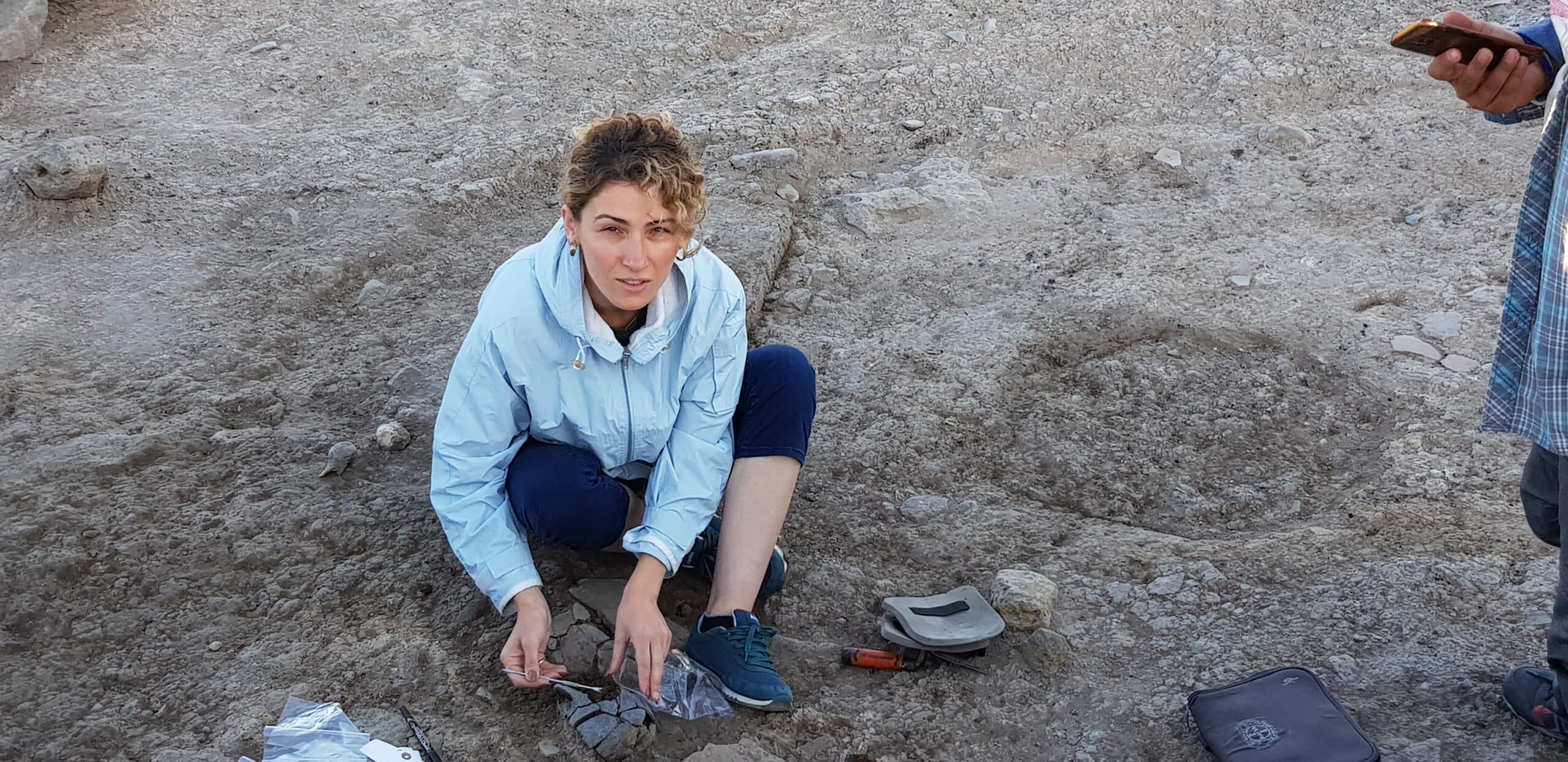
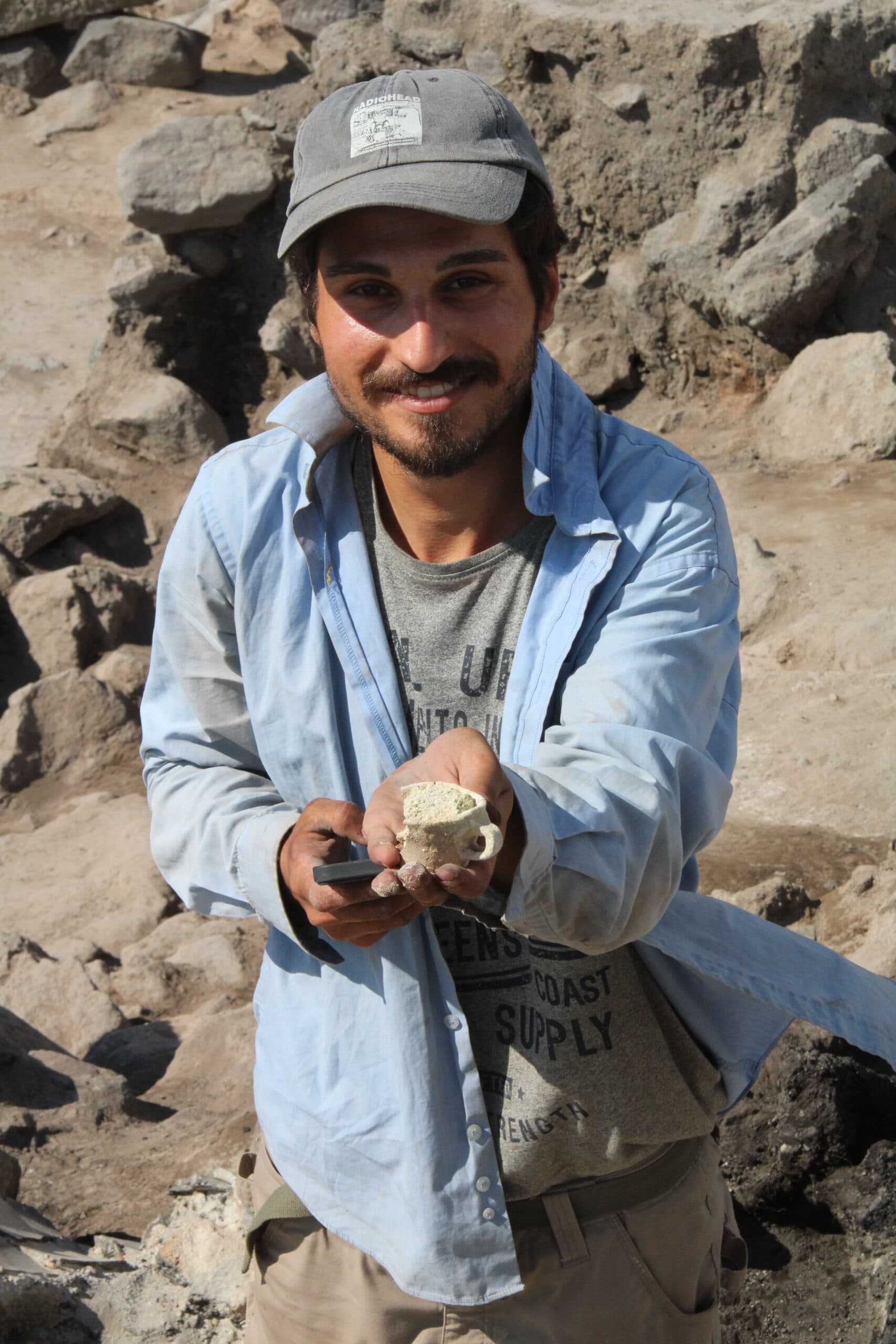
Life at the expedition is demanding, with each day beginning at 6:00 a.m. and following a carefully organized schedule. Every participant has specific responsibilities. While one group works in the field on individual excavation trenches, another remains at the dig house processing the archaeological material.
In the evenings, expedition members and guests give presentations and discuss a wide range of archaeological and scientific topics.