
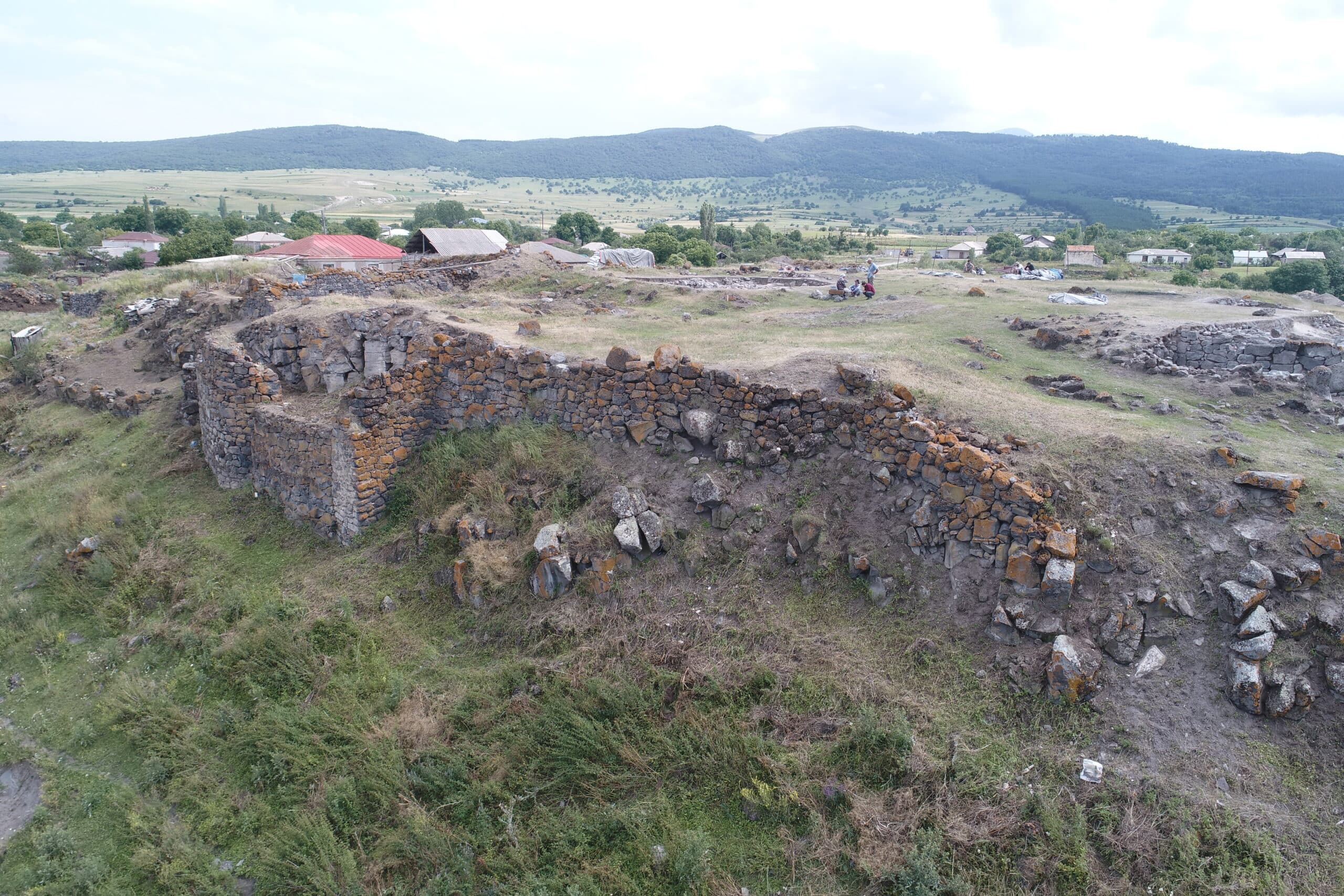
Rabati settlement
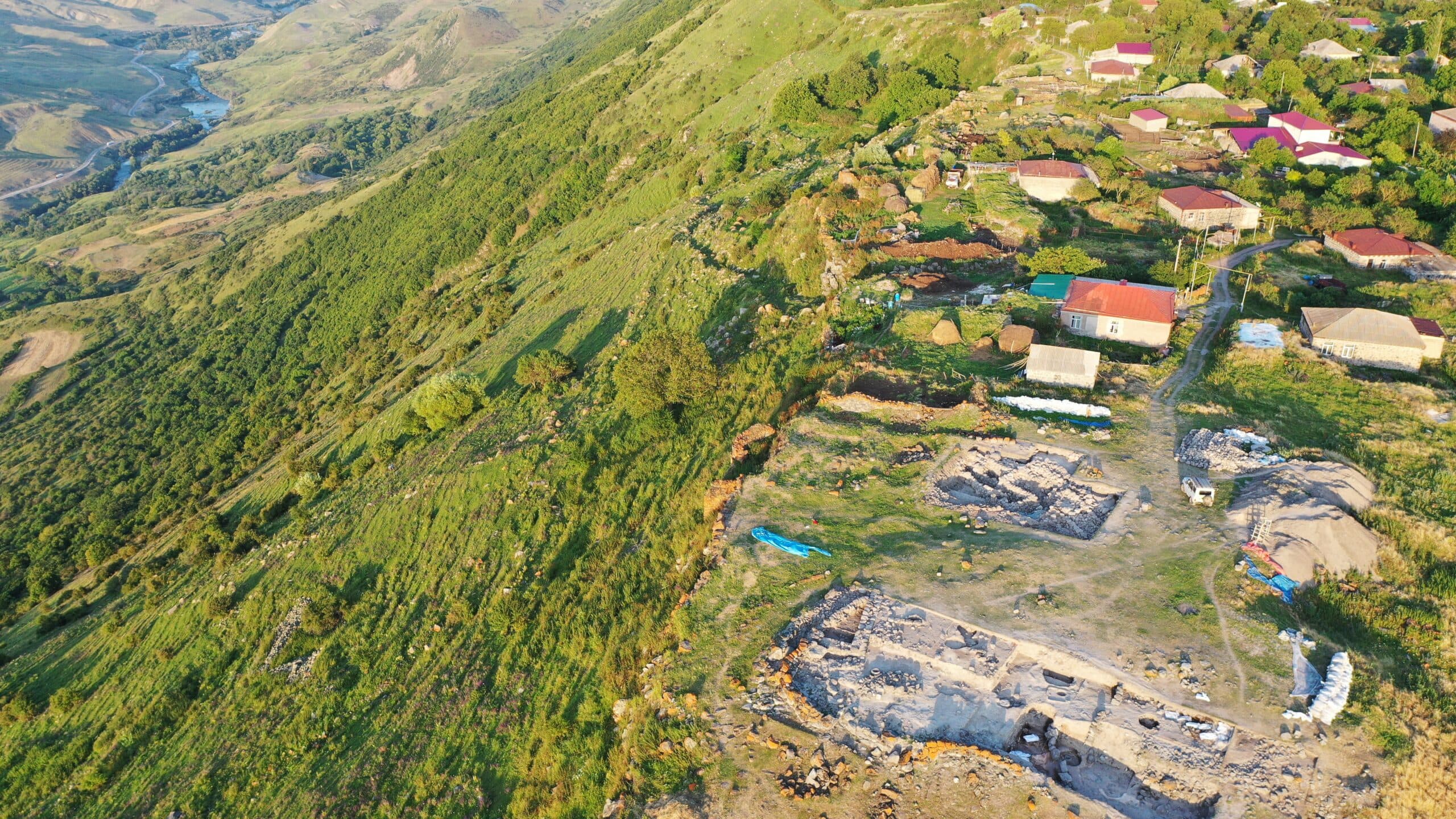

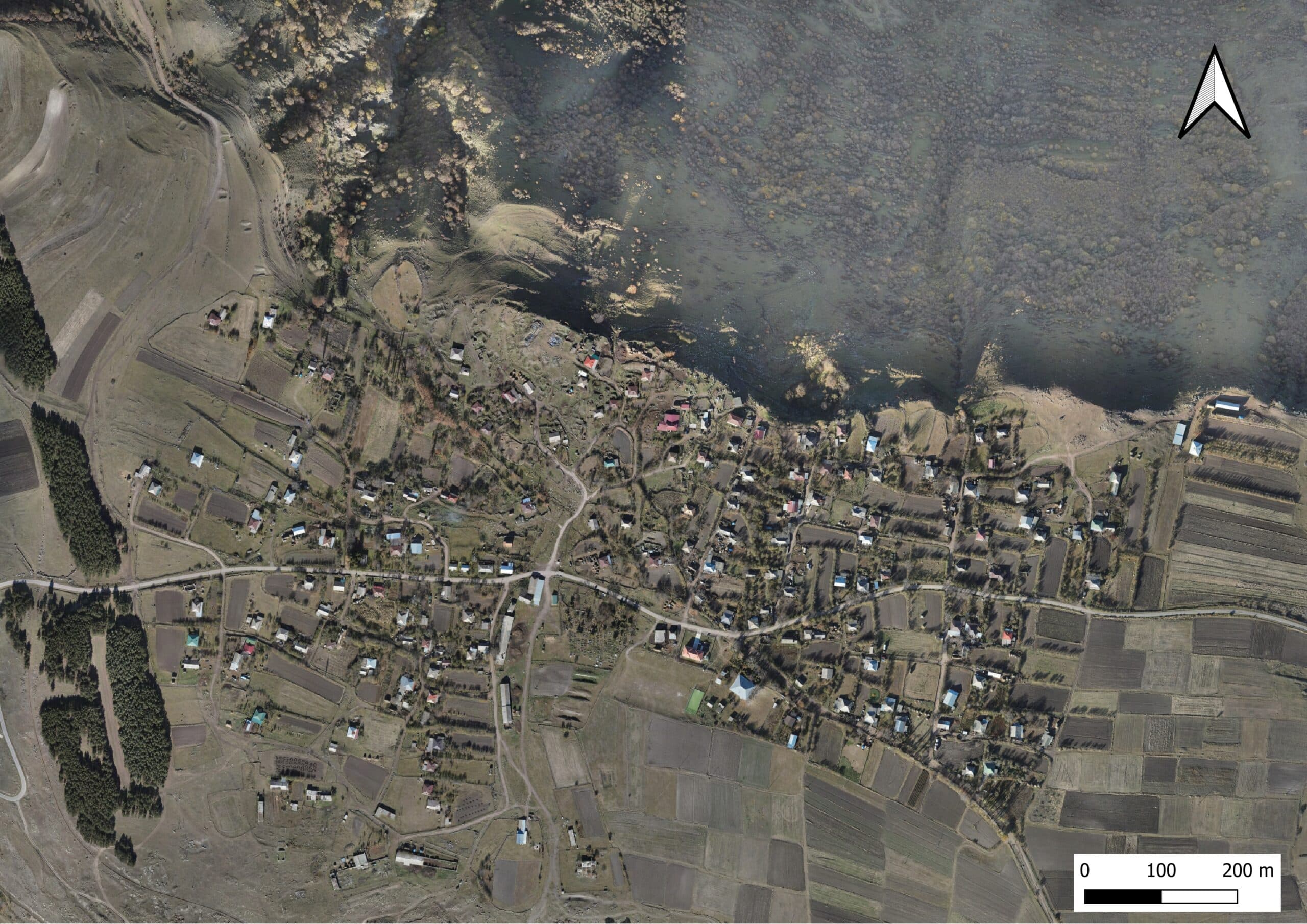
რაბათის ნამოსახლარზე ათასწლეულების განმავლობაში უწყვეტი ცხოვრების კვალია დაფიქსირებული. აქ გვხვდება დაახლოებით 5000 წლის წინანდელი (მტკვარ-არაქსის კულტურის) მონუმენტური ქვის ნაგებობა, რომლის მიტოვების შემდეგ მალავე მის თავზე ჩნდება მომდევნო პერიოდის, დაახლოებით 4300–4000 წლის წინანდელი (ბედენის კულტურის) ნამოსახლარის ფენები. ამ ფენებს ჭრის მომდევნო ხანის (თრიალეთის კულტურის მესხური ვარინტი), დაახლოებით 3900–3600 წლის წინანდელი ქვით ნაშენი სახლები.
რაბათის ნამოსახლარის თითქმის მთელ ფართობს მოიცავს შუა საუკუნეების (მე-12-14 საუკუნების) ნაგებობები, მათ შორის კოშკი და გალავანი. აქვე, სავარაუდოდ, უნდა ყოფილიყო ეკლესიაც, რაზეც მიუთითებს მიწის ზედაპირზე აღმოჩენილი ქვის ტიმპანი ჯვრის გამოსახულებით.
რაბათზე წარმოდგენილია ასევე გვიანი შუა საუკუნეების ტრადიციული მესხური მიწური სახლები, თავისი უნიკალური ხის არქიტექტურით, რომლებიც ერთმანეთთან გვირაბებით (დარნებით) იყო დაკავშირებული .

Rabati settlement Findings
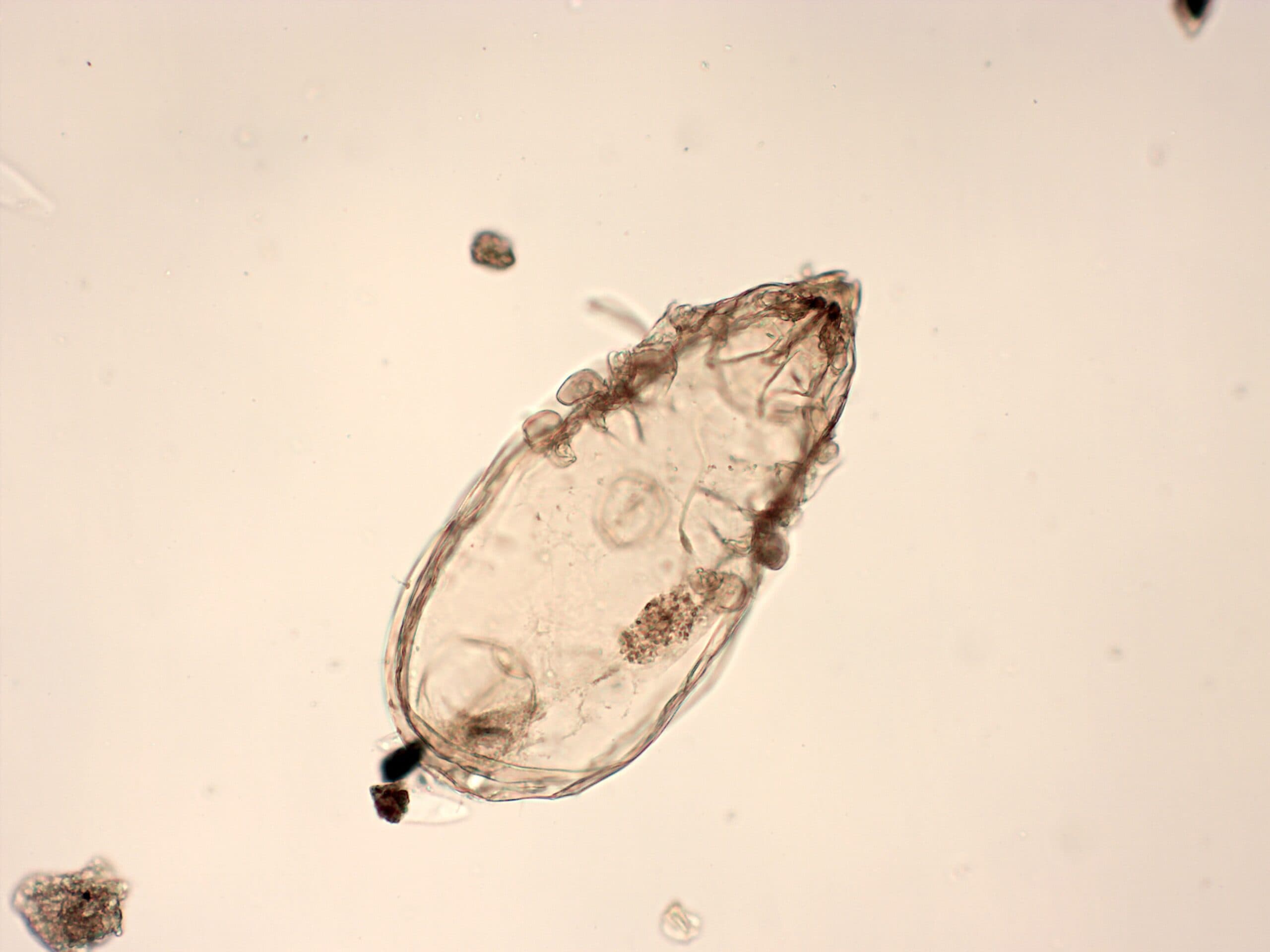
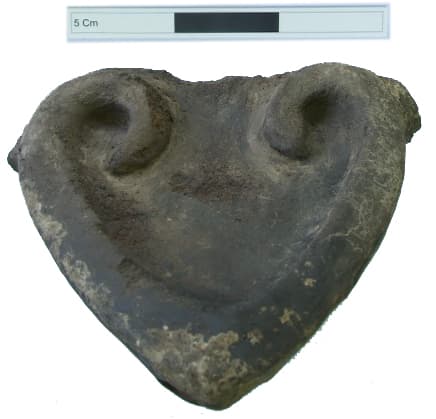
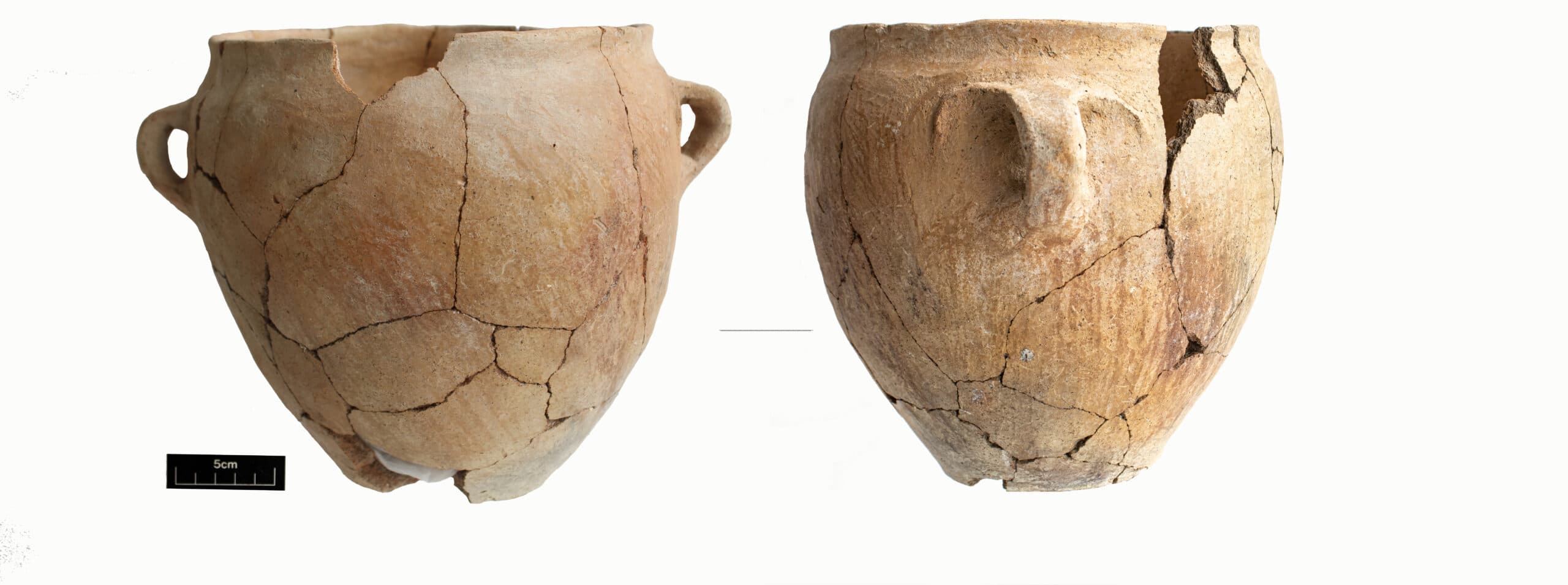
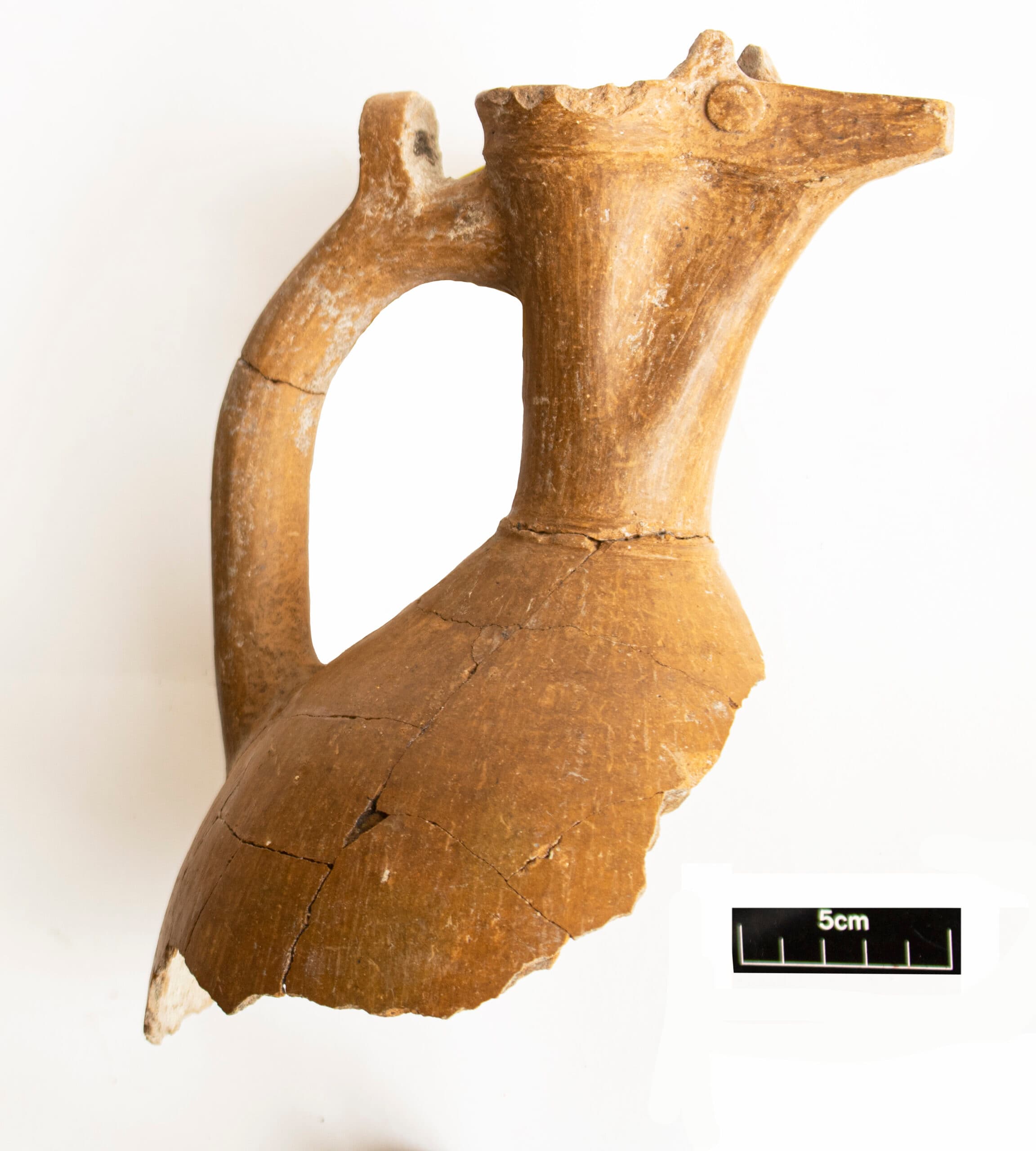
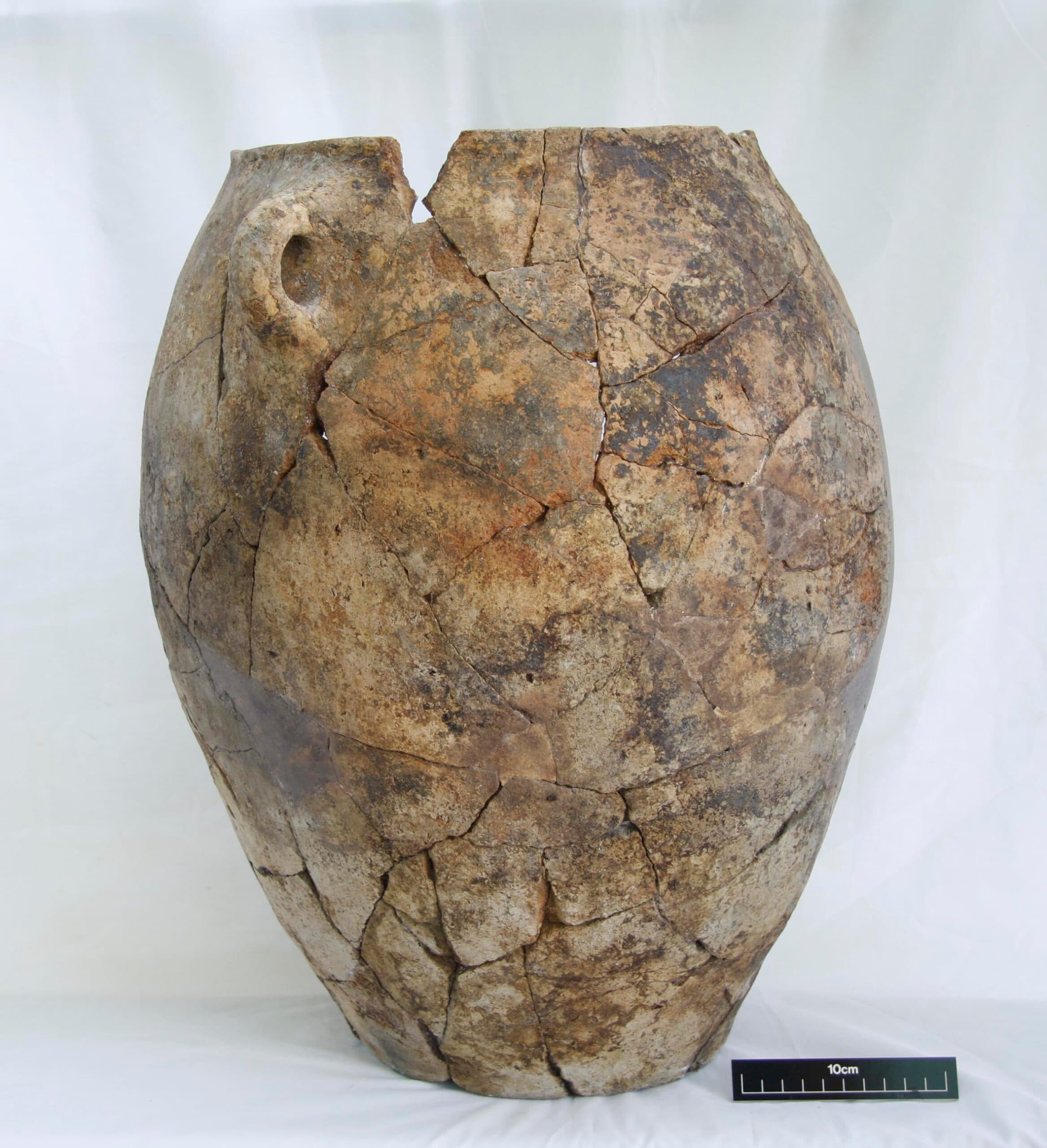
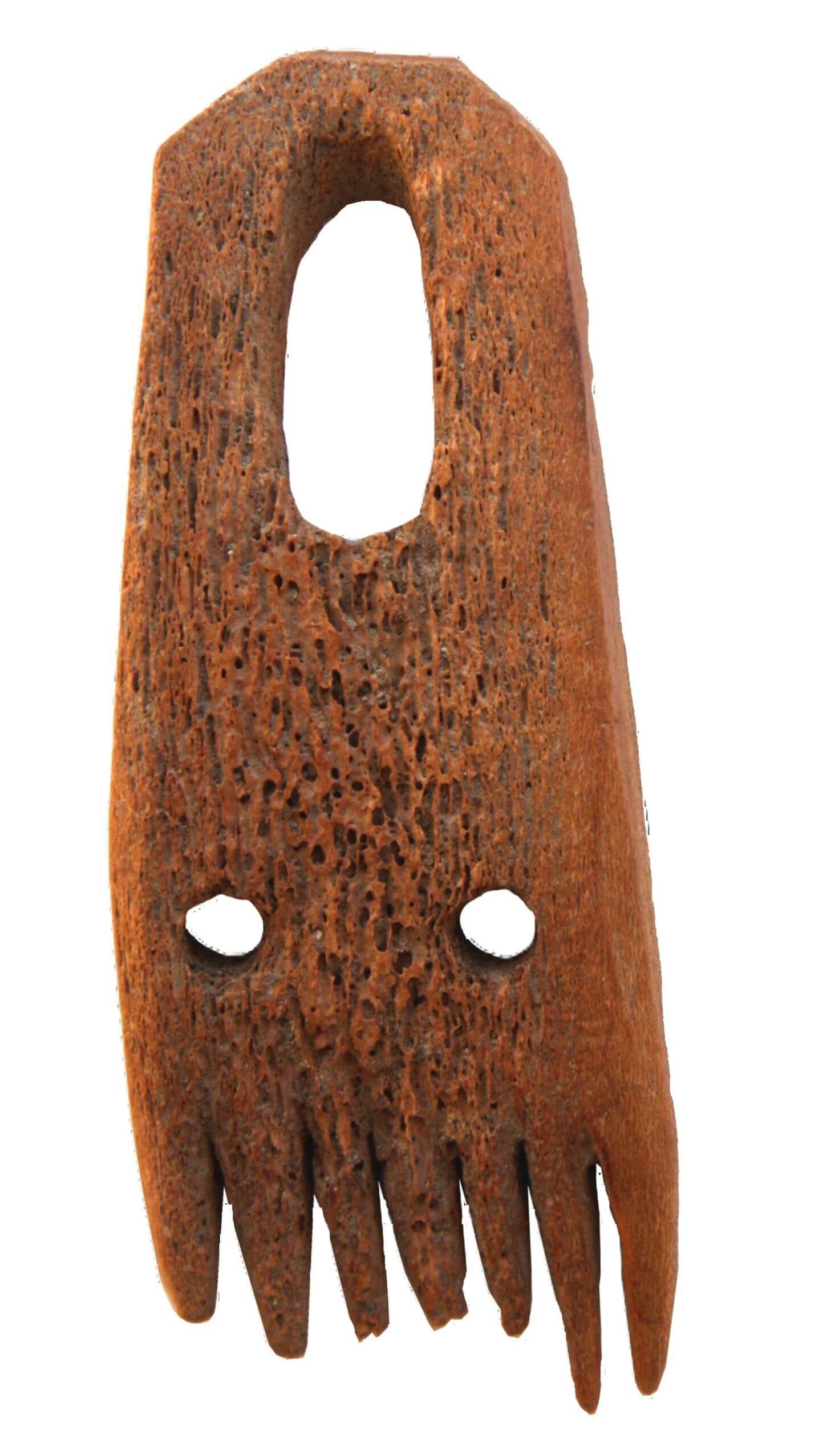

Plan
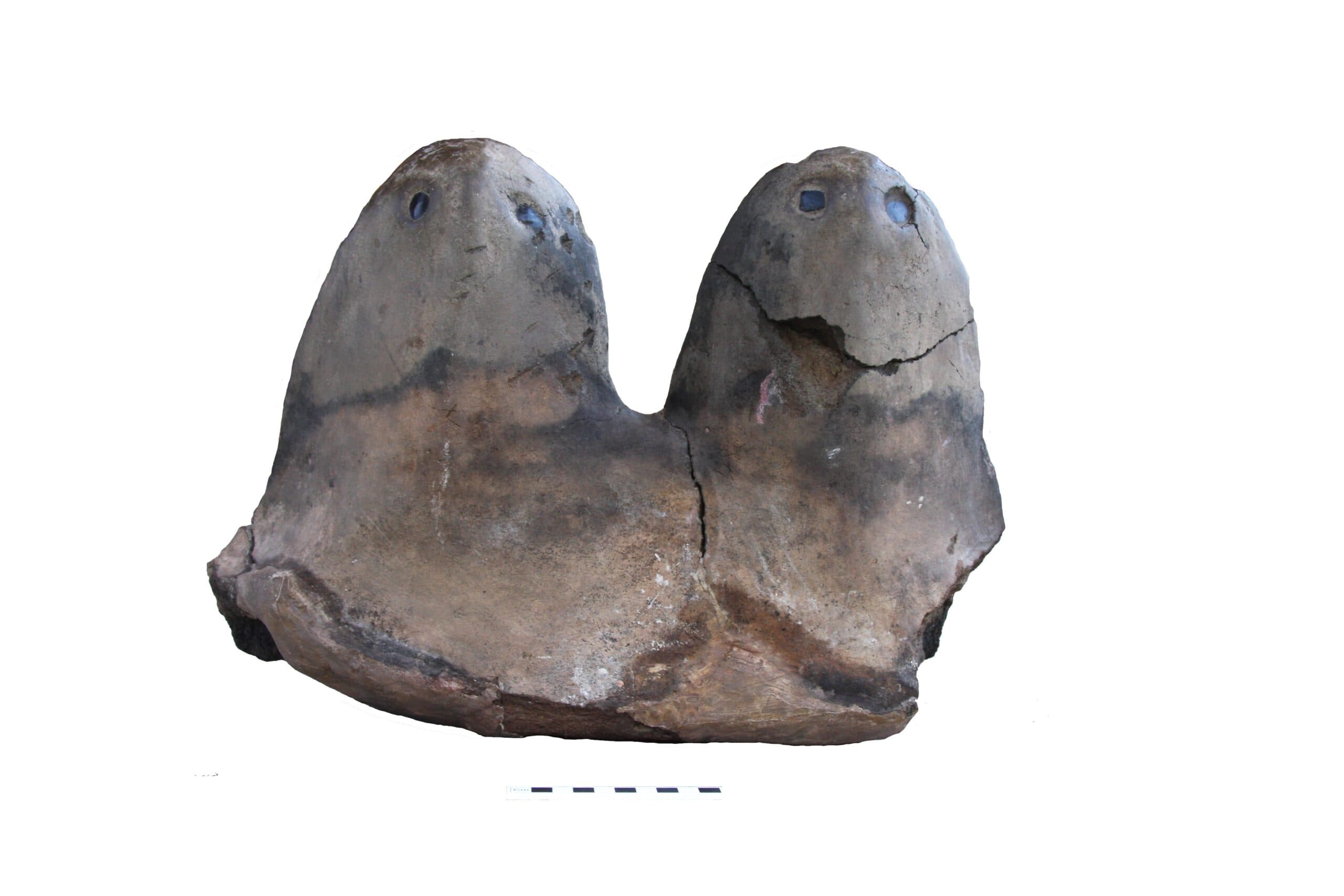
The first archaeological excavations at the Rabati settlement, exploratory in nature, were carried out in 1973 under the direction of Tariel Chubinishvili. It was during these excavations that the famous Bronze Age clay double-headed figurine with obsidian eyes was discovered. In the following years, archaeological research at the Rabati settlement was continued by the Samtskhe-Javakheti Permanent Expedition under the leadership of Otar Ghambashidze. During this period, in addition to the settlement itself, Middle Bronze Age kurgan-type burials were discovered in its vicinity. According to their discoverer, these burials exhibit certain affinities with the cultures of Asia Minor and the Aegean world.
Archaeological investigations at the Rabati settlement were renewed in 2016 under the auspices of a Georgian–Australian research project, directed on the Australian side by Antonio Sagona. As a result of these studies, Early Bronze Age and Middle Bronze Age structures were uncovered, including occupation layers contemporary with the nearby kurgans.
The study of the Rabati settlement involves specialists from various disciplines, including archaeobotanists, palynologists, zooarchaeologists, and surveyors. This multidisciplinary research plays an important role in reconstructing the lifeways of ancient populations, including the study of their economic activities, social organization, and other aspects of their society and daily life.
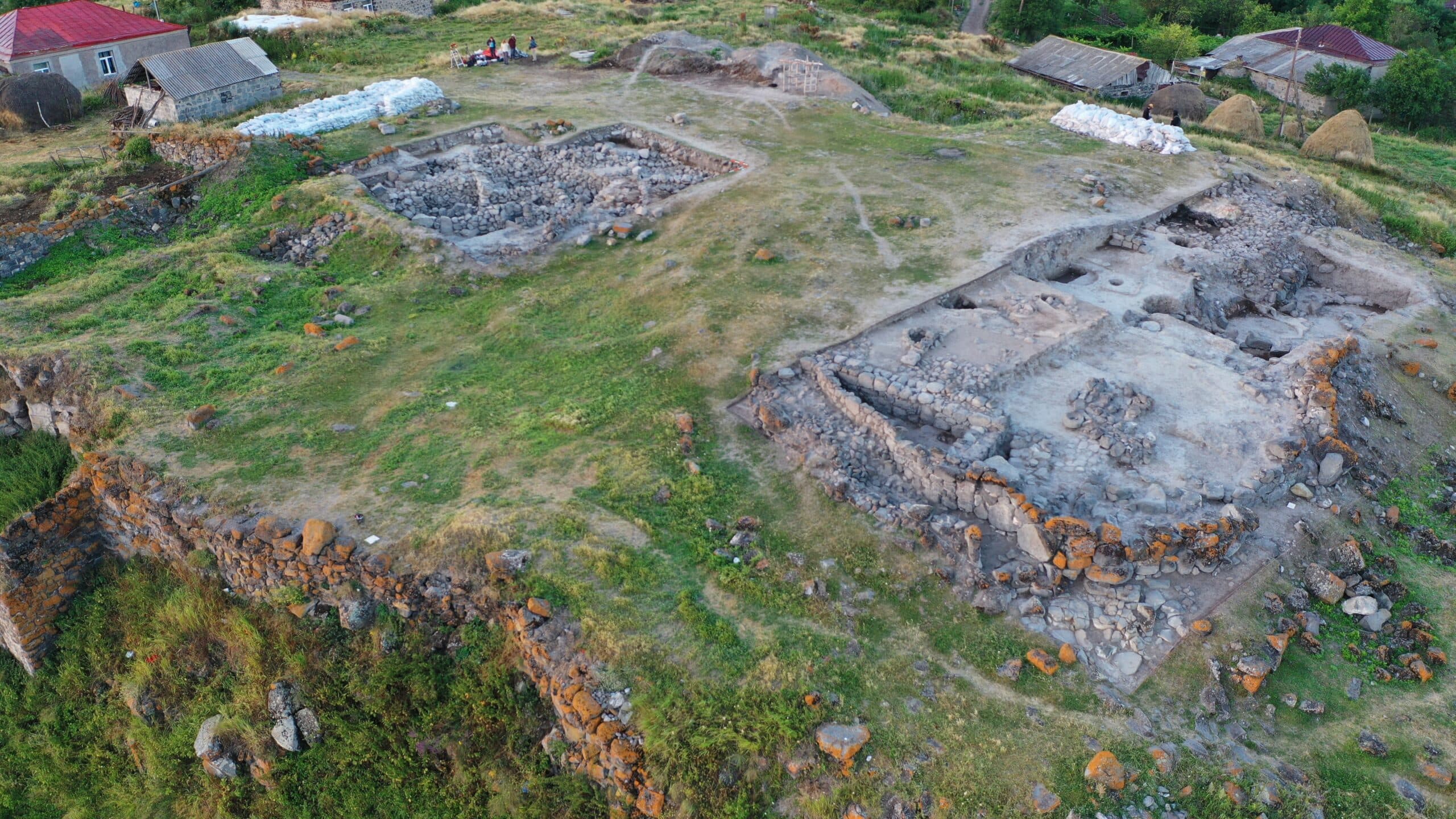
Pictures
ძვ.წ. 3000 - 2500 წელი
ადრებრინჯაოს ხანა - მტკვარ-არაქსის კულტურა
მტკვარ-არაქსის კულტურა ძვ.წ მესამე ათასწლეულის შუა ხანებში ჩნდება და დაახლოებით ათასი წელი არსებობს. იგი პირველად სამხრეთ კავკასიაში ჩნდება და შემდეგ ვრცელდება დიდ ტერიტორიაზე – აღმოსავლეით ირანში ხოლო დასავლეთით პალესტინამდე. მტკვარ-რაქსის კულტურისთვის დამახასიათებელია სოფლის ტიპის დასახლებები. შიდა ქართლში სახლები სარ-ლასტით არის ნაშენი, ხოლო სამხრეთით, სამცხე- ჯავახეთში ამ კულტურის ნასახლარები ძირითადად ქვის არქიტექტურით არის წამოდგენილი.
მტკვარ-არაქსის კულტურა რაბათის ნამოსახლარზე, მონუმენტური ქვის ნაგებობით არის წამოდგენილი სადაც ნაპოვნია ამ კულტურისთვის დამახასიათებელ კერამიკული მასალას.

ძვ.წ. 2400 -2000 წელი
შუაბრინჯაოს ხანა - ადრეყორღანული პერიოდი
მტკვარ-არაქსის კულტურის დასასრულს, დაახლოებით ძვ. წ.2500 წელს, აღმოსავლეთ საქართველოში ჩნდება დიდი ზომის გორასამარხები ე.წ. ყორღანები. შესაბამისად ამ პერიოდს ადრეყორღანულ პერიოდს უწოდებენ. ამ ყორღანების ტიპების და მასში აღმოჩენილი ნივთების მიხედვით ორ – მარტყოფისა და ბედენის არქეოლოგიურ კულტურას გამოყოფენ.
ორივე კულტურის ყორღანებში გვხვდება სხვადასხვა სახის მდიდრული ნივთები, როგორიცაა ნახევრადძვირფასი ქვისა და ოქროს სამკაულები, ბრინჯაოს საბრძოლო იარაღები. ასევე აღსანიშნავია სამარხებში ოთხთვალა ურემების ჩატანება. აღნიშნული მონუმენტური და მდიდარი ყორღანები მაღალი სოციალური წრის წარმომადგენლებისთვის, სავარაუდოდ ბელადებისთვის, იყო განკუთვნილი, რაც მათი ძალაუფლებისა და სოციალური სტატუსის გამოხატვის საშუალებას წარმოადგენდა.
ზოგადად, მტკვარ-არაქსის კულტურისგან განსხვავებით, ადრეყორღანულ პერიოდში ნამოსახლარების რაოდენობა მცირდება, რაც მათ მომთაბარე ცხოვრების წესზე გადასვლაზე მიუთითებს. თუმცა, ბოლო პერიოდში აღმოჩენილმა ადრეყორღანული პერიოდის კერძოდ ბედენის კულტურის ნამოსახლარებმა ეს მოსაზრება შეცვალა. ერთ-ერთი ასეთი ნამოსახლარია რაბათი, სადაც მოსახლეობა აქტიურ მიწადმოქმედებას ეწეოდა.

ძვ.წ. 2000 - 1700 წელი
შუაბრინჯაოს ხანა თრიალეთის კულტურის მესხური ვარიანტი
დაახლოებით ძვ. წ. 2000 წლიდან აღმოსავლეთ საქართველოში ჩნდება ახალი — ე.წ. თრიალეთის კულტურა, რომლისთვისაც წინა კულტურის მსგავსად დამახასიათებელია დიდი ზომის ყორღანები ძვირფასი დასაკრძალავი ინვენტარით.
ამ კულტურის ნამოსახლარები თითქმის უცნობია. მესხეთის რეგიონში თრიალეთის კულტურის განსხვავებული ვარიანტი გვხვდება, როგორც ყორღანების აგების თვალსაზრისით, ასევე კერამიკული მასალის მიხედვით.
რაბათის ნამოსახლარი უნიკალური ძეგლია საქართველოში, სადაც ამ პერიოდის ნამოსახლარია დადასტურებული.
