
Logo
  • ჩვენს შესახებ
  • გათხრები

    გათხრები

    • რაბათის ნამოსახლარი
    • რაბათის გარშემო, სოფელი ზველი
  • გათხრების შემდეგ
  • აღმოჩენები

    აღმოჩენები

    • Videos
  • პუბლიკაციები
  • გვეწვიეთ
  • ბლოგი
  • მხარდაჭერა
ENGE

ვებგვერდი შექმნილია სსიპ შოთა რუსთაველის საქართველოს ეროვნული სამეცნიერო ფონდის მეცნიერების პოპულარიზაციის მიზნობრივი გრანტის (#SPG-25-556) ფარგლებში. თანადამფინანსებელი - Friends of Ancient Near Eastern Studies (FANES) მელბურნის უნივერსიტეტი

ჩვენს შესახებგათხრებიგათხრების შემდეგაღმოჩენებიპუბლიკაციებიგვეწვიეთბლოგიმხარდაჭერა

Rabati settlement

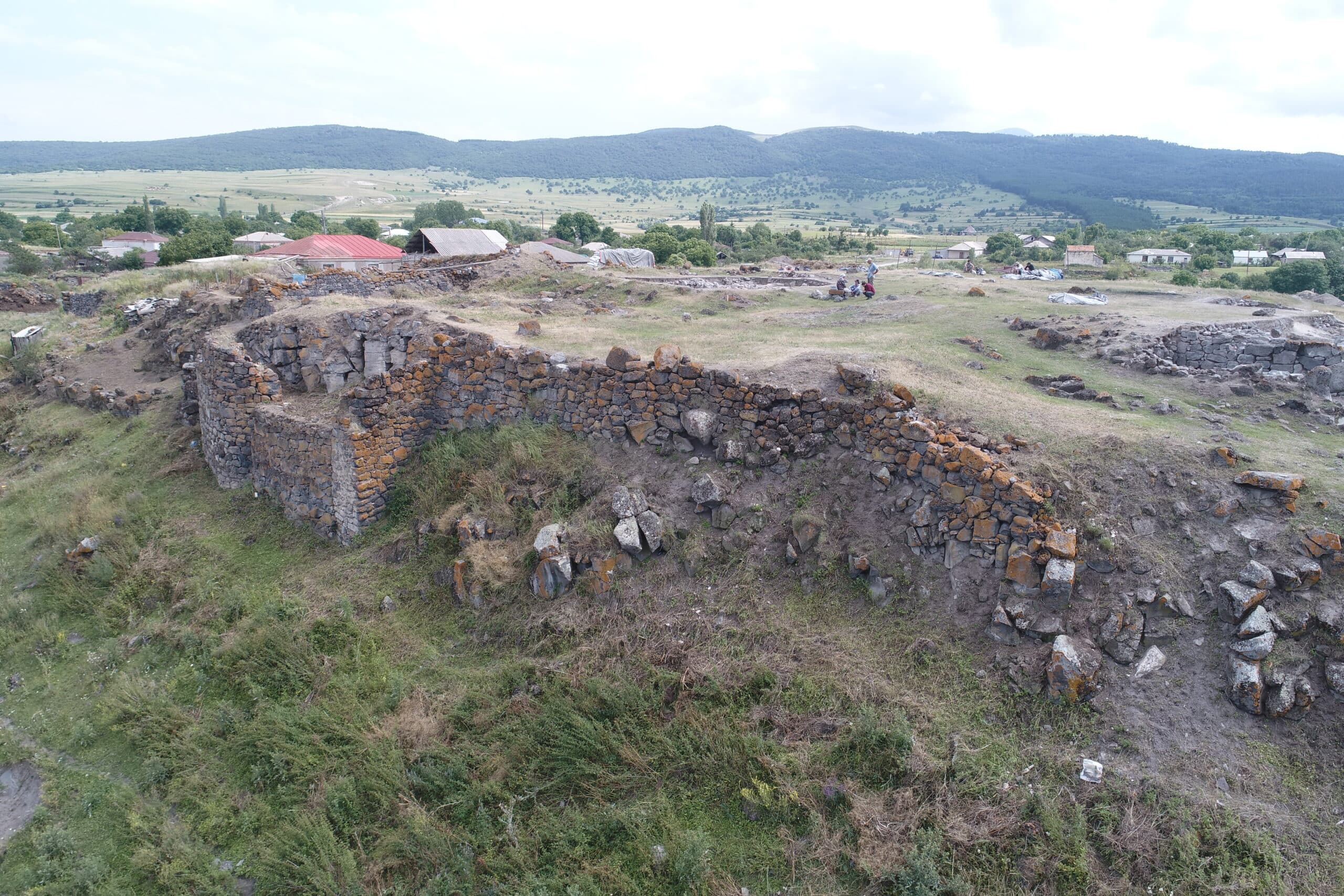
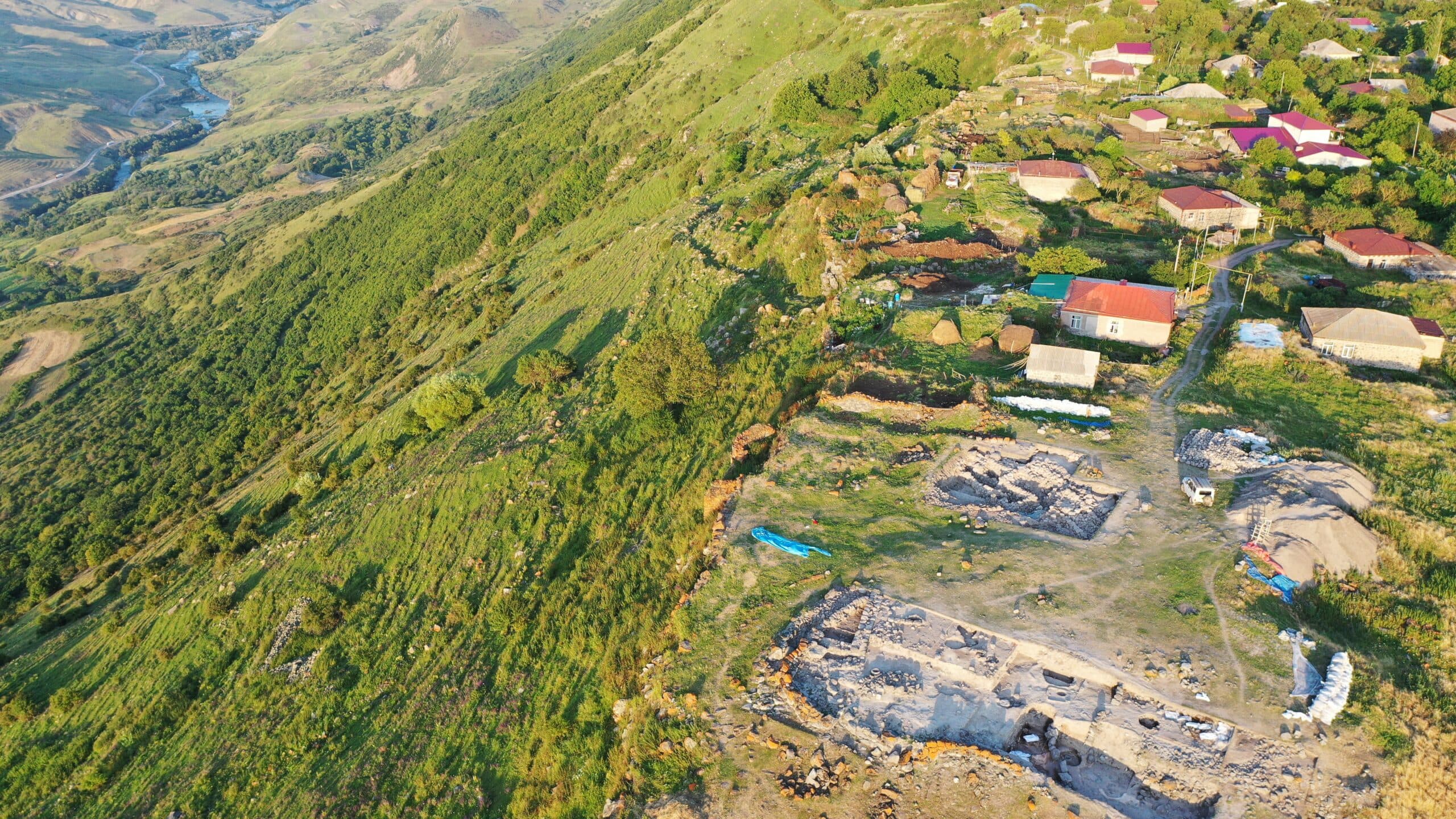
The Rabati settlement is one of the most important archaeological sites in Georgia and the wider region. It contains a diverse range of architectural remains and cultural layers dating from the Bronze Age to the Late Middle Ages.

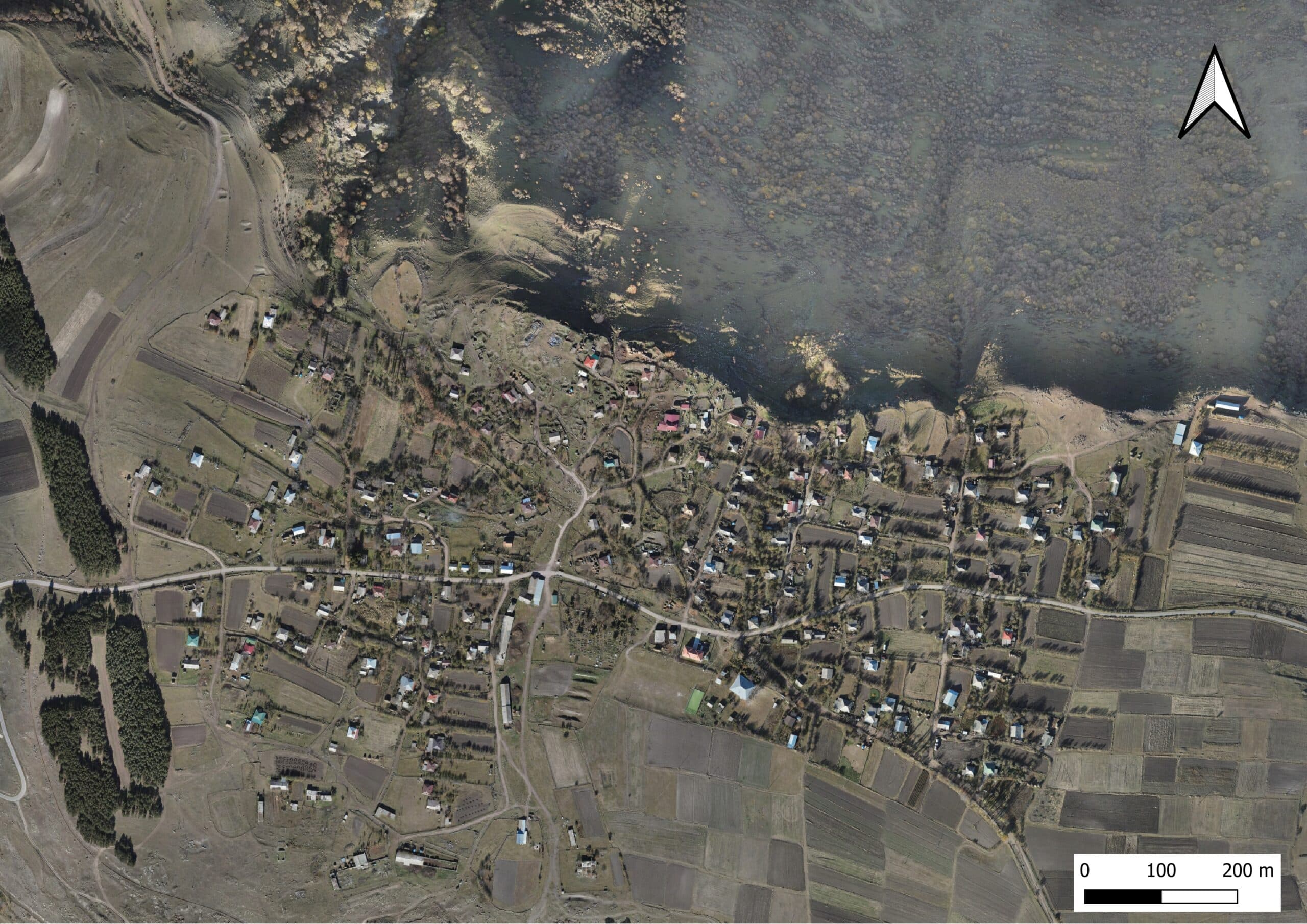
The settlement is located in Meskheti, on the southern slopes of the Erusheti Range (at an elevation of approximately 1,400 m above sea level), overlooking the Mtkvari River valley. In antiquity, Rabati likely served as an important link between the lowlands of the Mtkvari Valley and the highland pastures of the Erusheti Mountains. Major trade routes connecting the Caucasus with Anatolia passed through this area, making Rabati a strategically significant crossroads for communication, exchange, and movement of people and goods.

Excavation map

At the Rabati settlement, evidence of continuous occupation has been documented over several millennia. The site preserves a monumental stone structure dating to approximately 5,000 years ago (Kura-Araxes culture). Shortly after its abandonment, layers belonging to a subsequent settlement, dating to approximately 2300–2000 BC (Bedeni culture), were established directly above it. These layers were later cut by stone-built houses dating to approximately 2000-1700 BC, associated with the Meskhetian variant of the Trialeti culture.

The majority of the Rabati settlement is covered by medieval structures dating to the 12th–14th centuries AD, including a tower and defensive wall. A church may also have stood here, as suggested by a stone tympanum decorated with a cross, discovered on the ground surface.

Rabati also preserves Late Medieval traditional Meskhetian semi-subterranean houses, distinguished by their unique wooden architecture. These houses were interconnected by underground passageways known as “darani”.

Rabati settlement Findings

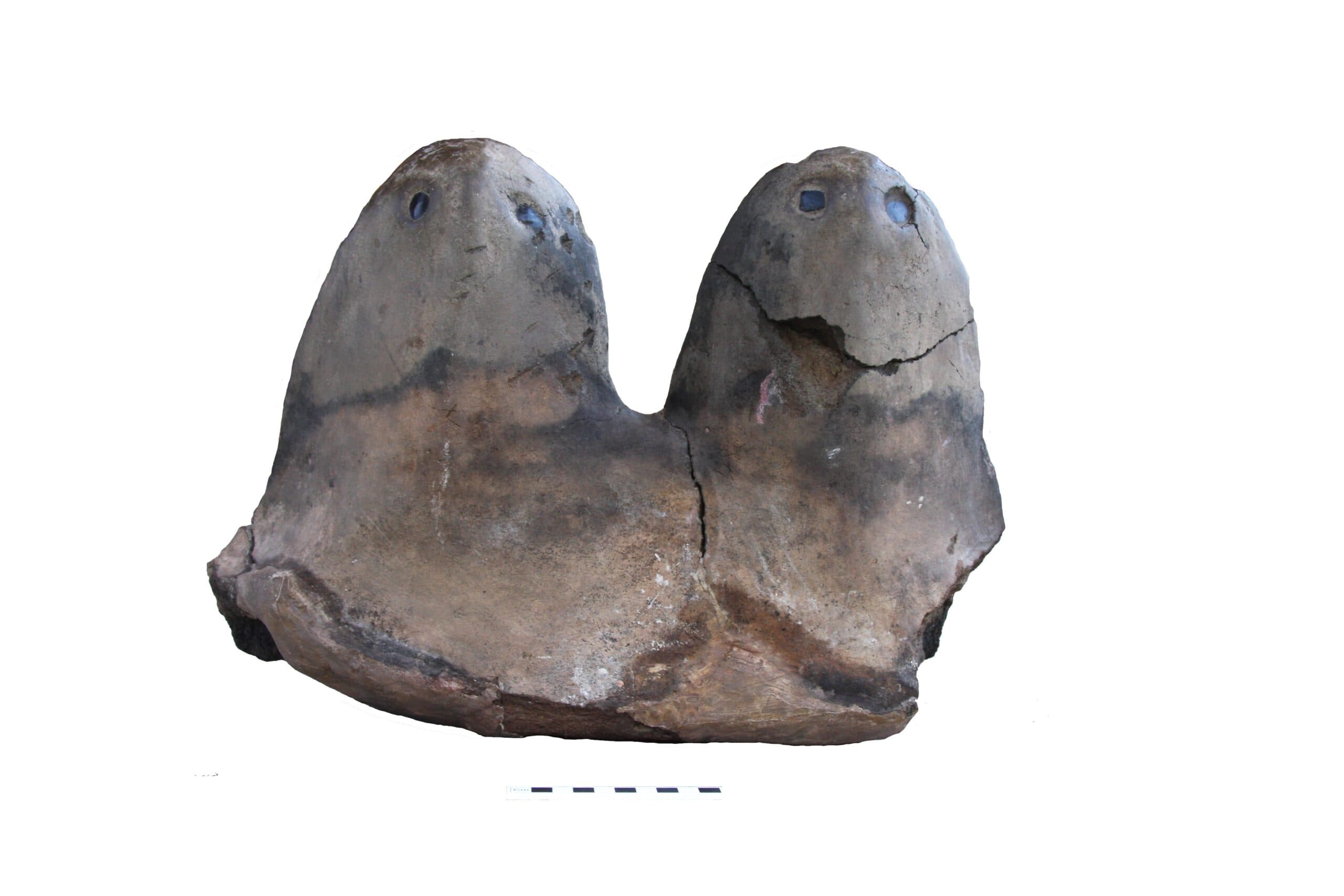
თიხის ობსიდიანისთვალებიანი ორთავიანი ფიგურა

აღმოჩენილია რაბათის ნამოსახლარზე 1973 წელს. ამჟამად დაცულია ახალციხის სამცხე-ჯავახეთის ისტორიის მუზეუმში

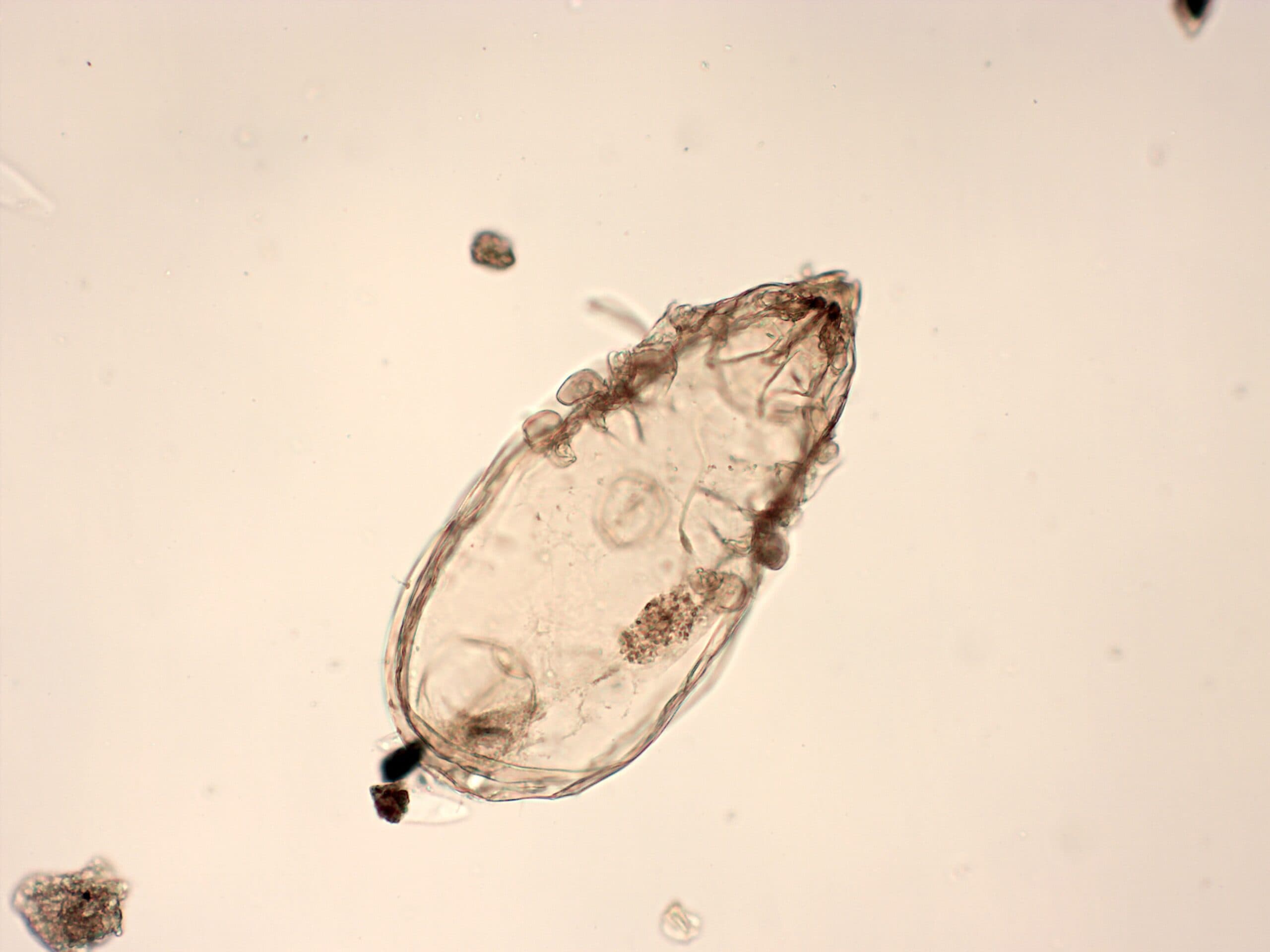
40,000 წლის წინანდელი პარაზიტი
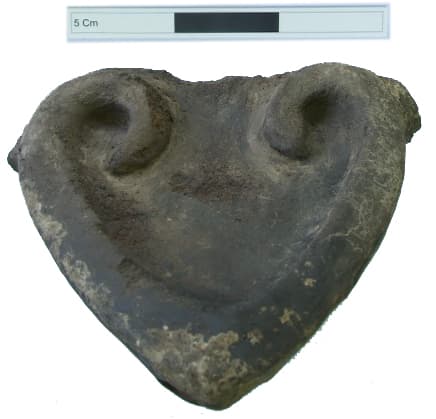
სადგრის ფრაგმენტი
სადგრის ფრაგმენტი

ბედენის კულტურა. დაახლოებით ძვ.წ. 2300 – 2000 წ.

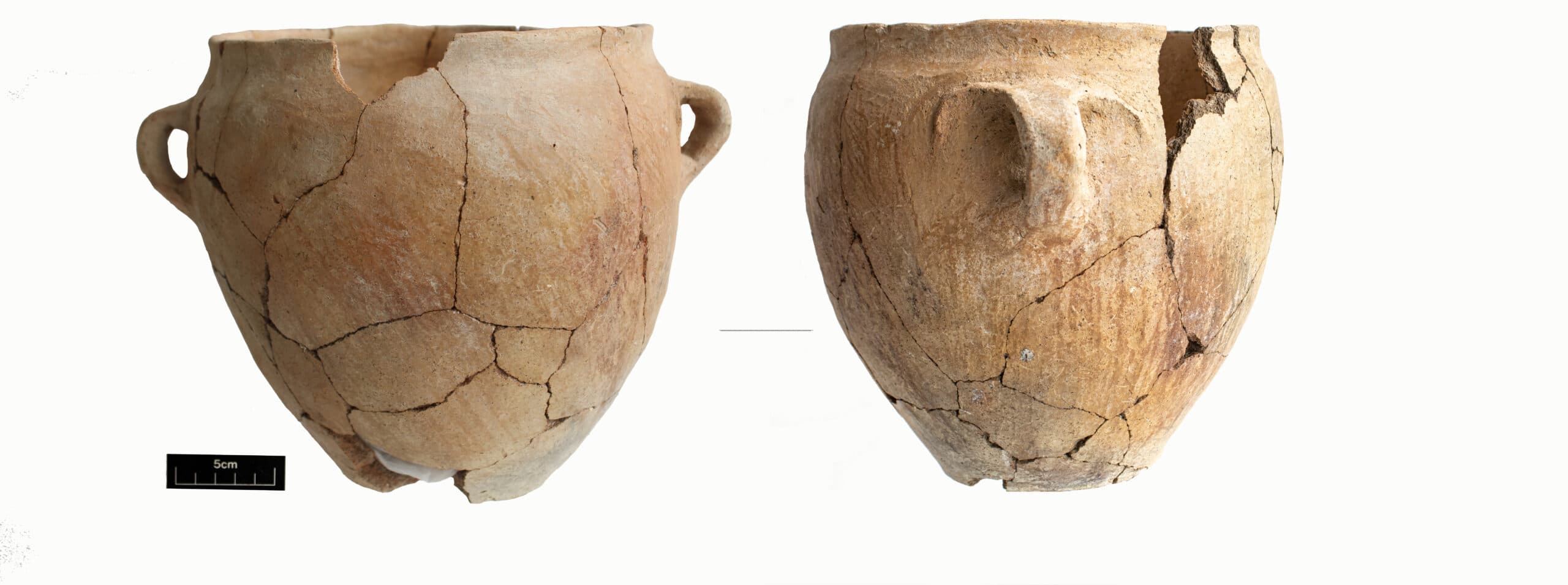
თიხის ქოთანი
თიხის ქოთანი

თრიალეთის მესხური  კულტურა. დაახლოებით ძვ.წ. 2000-1700 წწ.

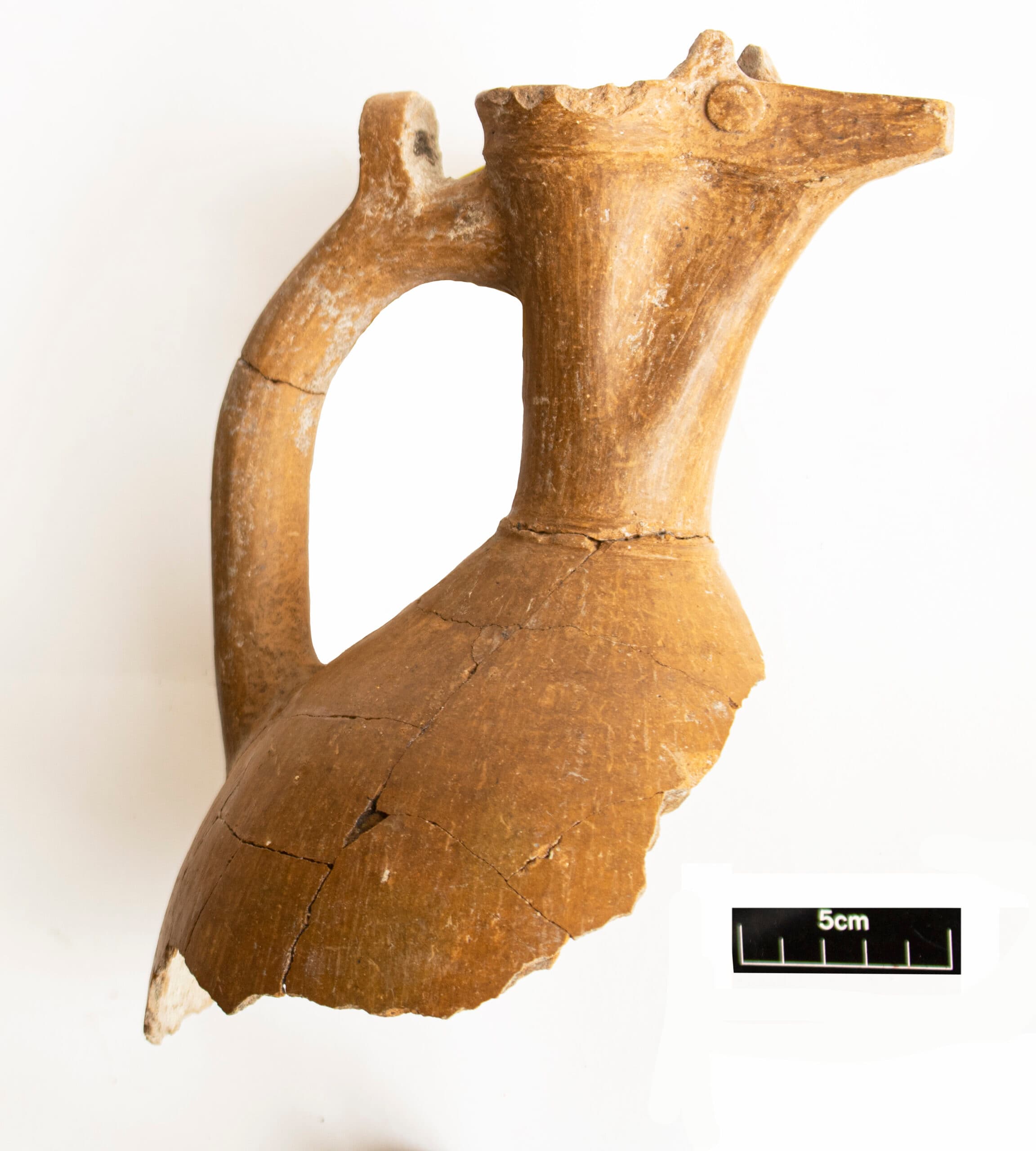
დოქის ფრაგმენტი
დოქის ფრაგმენტი

შუა საუკუნეები

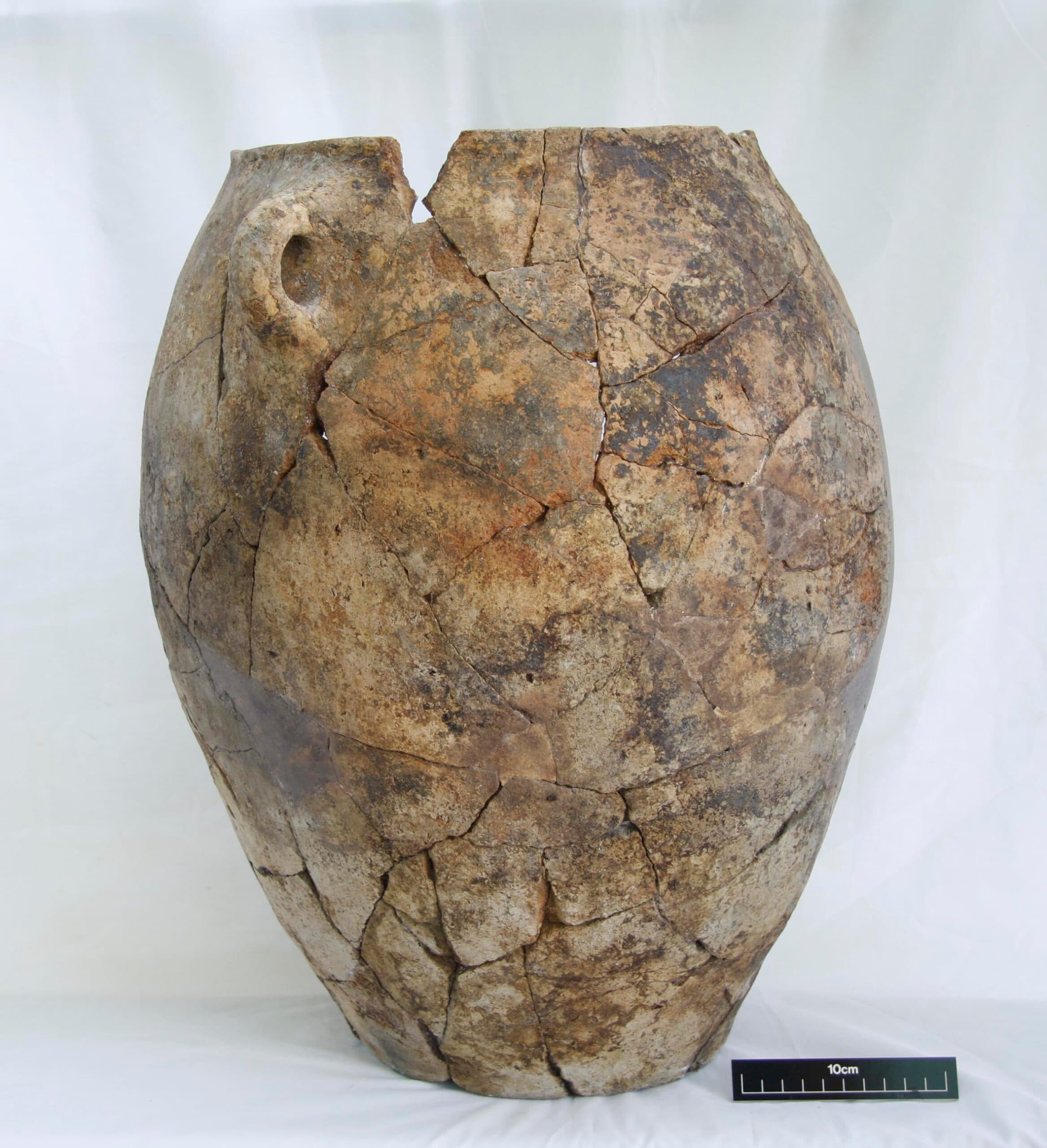
თიხის დერგი
თიხის დერგი

ბედენის კულტურა. დაახლოებით ძვ.წ. 2300-2000 წ.

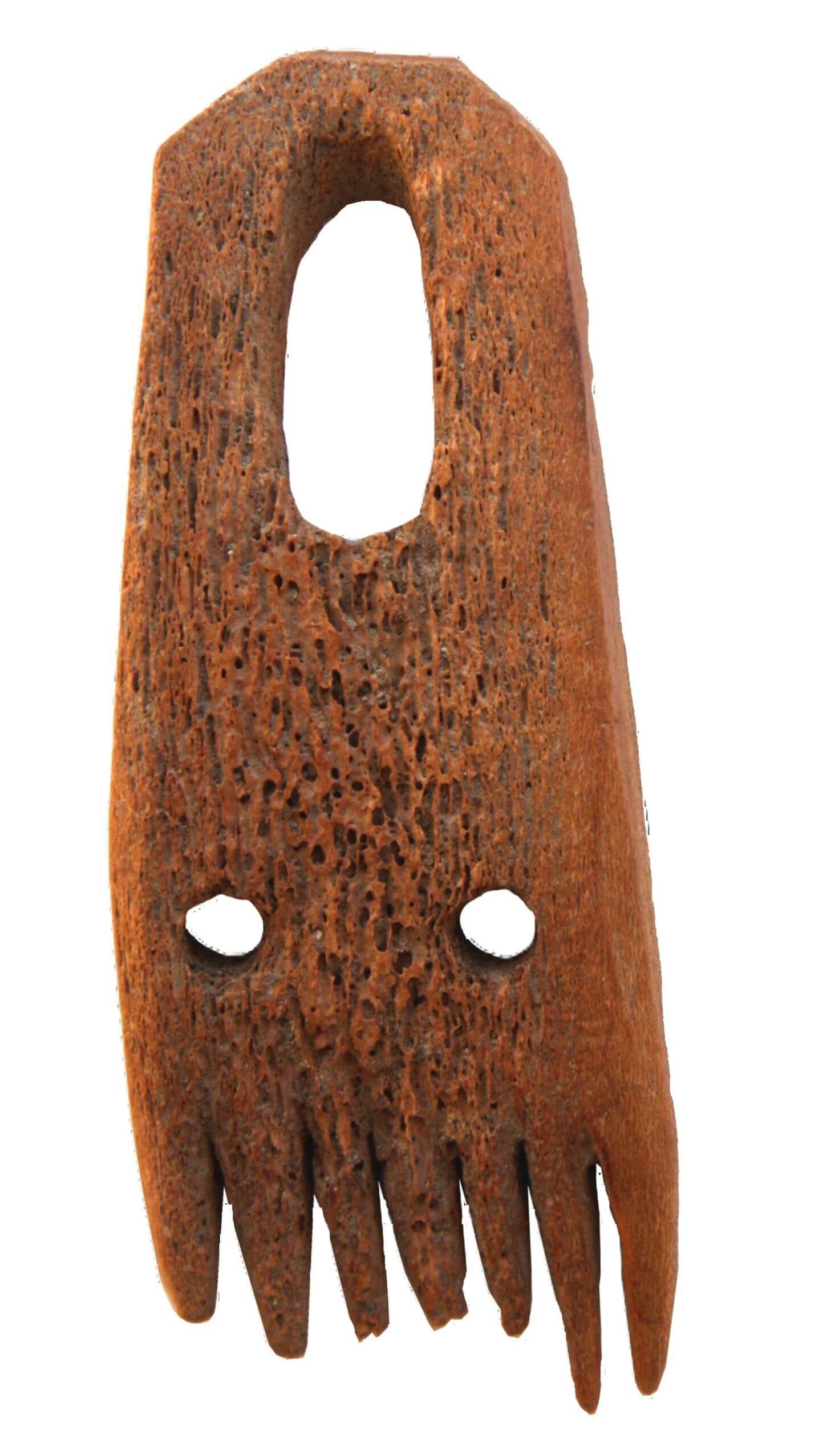
საბეჭავი
საბეჭავი

ირმის რქისგან დამზადებული  საბეჭავი რომლიც ქსოვის დროს გამოიყენებპდა.  ძვ.წ. 2300-2000 წ.

Plan

The first archaeological excavations at the Rabati settlement, exploratory in nature, were carried out in 1973 under the direction of Tariel Chubinishvili. It was during these excavations that the famous Bronze Age double-headed clay figurine with obsidian eyes was discovered. In the following years, archaeological research at the Rabati settlement was continued by the Samtskhe-Javakheti Permanent Expedition under the leadership of Otar Ghambashidze. During this period, in addition to the settlement itself, Middle Bronze Age kurgan-type burials were discovered in its vicinity. According to their discoverer, these burials exhibit certain affinities with the cultures of Asia Minor and the Aegean world.

Archaeological investigations at the Rabati settlement were renewed in 2016 under the auspices of a Georgian–Australian research project, directed on the Australian side by Antonio Sagona. As a result of these studies, Early Bronze Age and Middle Bronze Age structures were uncovered, including occupation layers contemporary with the nearby kurgans.

The study of the Rabati settlement involves specialists from various disciplines, including archaeobotanists, palynologists, zooarchaeologists, and surveyors. This multidisciplinary research plays an important role in reconstructing the lifeways of ancient populations, including the study of their economic activities, social organization, and other aspects of their society and daily life.
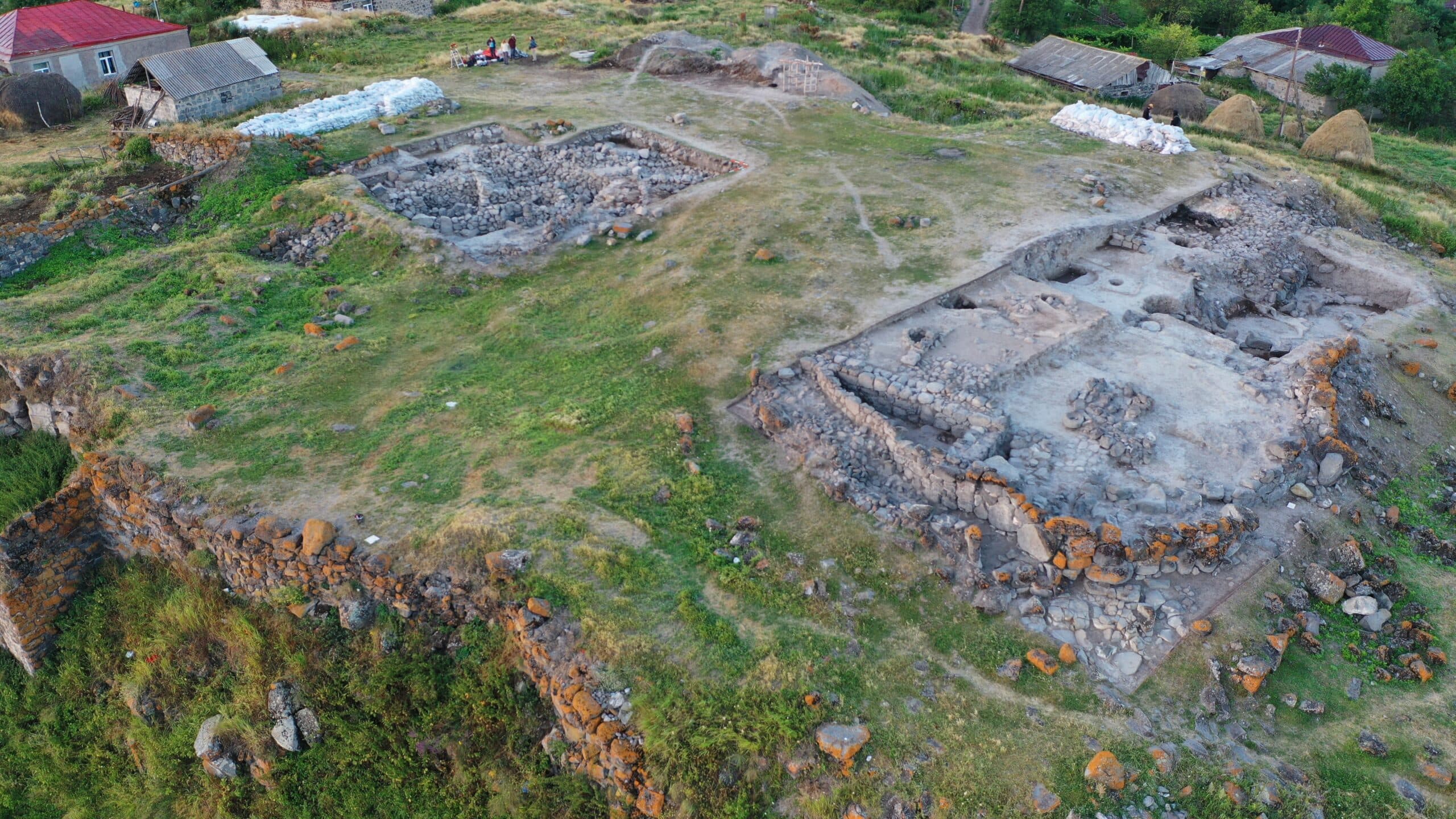
Excavation Plan

Pictures

Rabati settlement #1
Rabati settlement #2
Rabati settlement #3
Rabati settlement #4
Rabati settlement #5

3000 - 2500 BC.

Early- Bronze Age - The Kura-Araxes culture

The Kura-Araxes culture emerged in the South Caucasus in the mid-third millennium BC and flourished for approximately a thousand years. Originating in the South Caucasus, it subsequently spread across a vast area, extending eastward into Iran and westward as far as Palestine.

The Kura-Araxes culture is characterised by village settlements and distinctive architectural traditions. In Shida Kartli, houses were commonly constructed using wattle-and-daub techniques, while further south, in Samtskhe-Javakheti, Kura-Araxes settlements are represented predominantly by stone architecture.

At the Rabati settlement, the Kura-Araxes occupation is represented by a substantial monumental stone structure, associated with characteristic Kura-Araxes ceramic material. The remains provide important evidence for the architectural traditions and settlement organisation of the Kura-Araxes communities in the highlands of southern Georgia.

2400 -2000 BC.

Middle Bronze Age - Early Kurgan period

At the end of the Kura-Araxes culture, around 2500 BC, large burial mounds, known as kurgans, began to appear in eastern Georgia. This period is therefore referred to as the Early Kurgan period. Based on the types of kurgans and the artefacts discovered within them, two archaeological cultures are distinguished: the Martkopi and Bedeni cultures.

The kurgans of both cultures contain a variety of rich and prestigious objects, including jewellery made of semi-precious stones and gold, as well as bronze weapons. Particularly noteworthy is the practice of placing four-wheeled wagons in the burials. These monumental and richly furnished kurgans were probably constructed for members of the high social elite, possibly chieftains, and served as expressions of their power and social status.

In general, compared with the Kura-Araxes culture, the number of settlements decreases during the Early Kurgan period, which has traditionally been interpreted as evidence for a shift towards a more mobile or nomadic way of life. However, the discovery in recent decades of Early Kurgan-period settlements, particularly those associated with the Bedeni culture, has challenged this interpretation. One such settlement is Rabati, where the inhabitants appear to have practised intensive agriculture.


2000 - 1700 BC.

Middle Bronze Age: Trialeti Culture (Meskhetian Variation)

From around 2000 BC, a new archaeological culture, known as the Trialeti culture, emerged in eastern Georgia. Like the preceding cultures, it is characterised by large kurgans furnished with rich and valuable burial goods.

Settlements associated with the Trialeti culture remain largely unknown. In the Meskheti region, however, a distinctive local variant of the Trialeti culture is documented, differing from the eastern Georgian tradition both in the construction of kurgans and in its ceramic assemblages.

The Rabati settlement is a unique site in Georgia, providing rare evidence of a settlement belonging to this period.


600 BCE

Abandonment

In early 2020, the world faced the unprecedented challenge of the COVID-19 pandemic. By providing transport and setting up field hospitals and kitchens, THW workers made an important contribution to dealing with the crisis. And this was just one example of efforts that once again demonstrated the importance of the THW in Germany. This was also evident from the number of THW personnel qualified to take part in operations. Although the number of personnel had decreased slightly from 2015 to 2019, the number increased again from 2020 onwards – to over 85,000. The THW now has some 88,000 volunteers.
In mid-July 2021, the THW was involved in its biggest operation to date, when heavy rainfall caused catastrophic flooding in Rhineland-Palatinate and North Rhine-Westphalia. For the first time ever, all 668 local sections of the THW were involved in the same operation, rescuing people, repairing dykes and pumping water out of cellars. Over the weeks and months that followed, the work of more than 17,000 THW personnel focused mainly on rebuilding infrastructure. Over the course of some 2.7 million service hours, they provided schools and hospitals with electricity, cleaned up leaked heating oil and contaminated mud, and cleared streets. They prepared almost five million litres of clean water. One of the THW’s key specialities also proved useful during this operation: in the rural district of Ahrweiler alone, 62 bridges were destroyed by flooding, but just two weeks after the disaster struck, the first THW temporary bridge was in place. Another 33 bridges followed in the weeks after the destruction caused by the storm.
Since Russia’s invasion of Ukraine in 2022, the biggest logistical operation in the history of the THW has been ongoing. On behalf of the Federal Government, the THW has supplied equipment worth more than 138 million euros (as at May 2025), mainly with funds from the Federal Foreign Office. The equipment includes transport and construction vehicles as well as power generators.